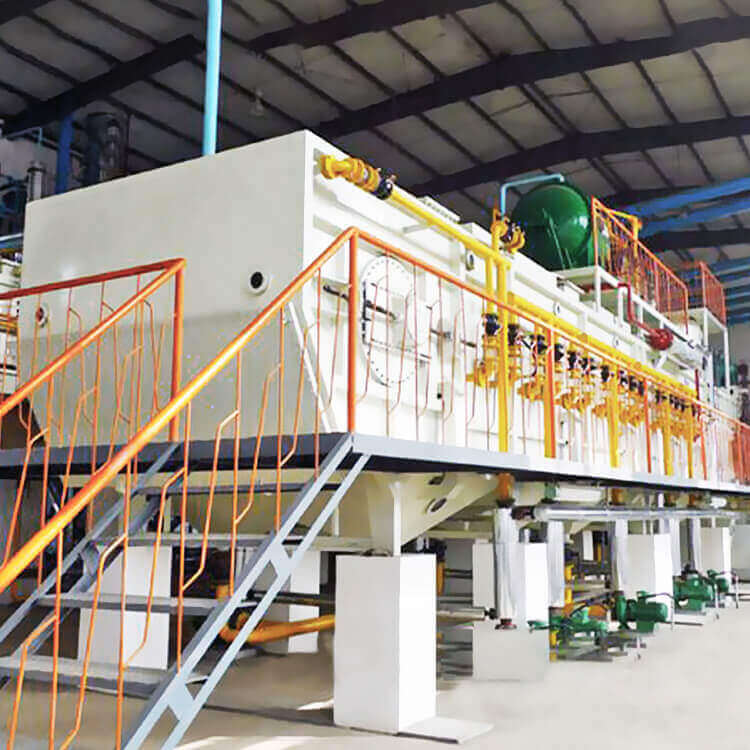
Raw Material: Low-temperature defatted soybean meal (characterized by high Nitrogen Solubility Index [NSI] and low protein denaturation). Finished SPI protein content ≥90%; categorized into two main types: gel-forming (for vegetarian sausages, meat products) and emulsifying (for beverages, injected meat products).
Complete Process Flow (Mainstream Alkali-Solubilization and Acid-Precipitation Method)
1. Pre-treatment
Grind low-temperature soybean meal to 80–100 mesh; high-temperature denatured meal is unsuitable for SPI production due to extremely low protein solubility.
2. Alkaline Extraction (Alkali-Solubilization)
Soybean meal-to-process water ratio: 1:10–15; adjust pH to 8.0–9.0 using NaOH; temperature: 50–55°C; stir for 30–45 min.
Proteins dissolve into the liquid phase; fibers and polysaccharides remain insoluble.
Key Point: pH must not be excessively high; strong alkali causes excessive protein denaturation, destroying gelling capability.
Perform secondary extraction on the solid phase to increase protein yield.
3. Solid-Liquid Centrifugal Separation
Use a horizontal decanter or disc-stack centrifuge to remove soy residue (okara) and obtain a clarified protein extract; the residue can serve as raw material for dietary fiber.
4. Acid Precipitation (Isoelectric Point Precipitation – Core Principle)
Adjust pH to 4.4–4.6 (soy protein isoelectric point) using food-grade hydrochloric acid; protein net charge becomes zero, causing massive flocculation and precipitation; allow to settle for 20–30 min.
Liquid phase is whey (high COD, primary source of wastewater); solid phase is protein curd.
5. Curd Centrifugation + Water Washing
Separate whey via centrifuge; wash curd with water to remove salts, sugars, and phytic acid, and to reduce ash content; washing efficiency directly determines SPI ash content and gelling performance.
6. Neutralization and Slurry Preparation
Add water to break up the protein curd; adjust pH back to 6.8–7.2 using NaOH to form a 12–16% protein slurry.
Key points for gel-type SPI: neutralization temperature and duration; avoid excessive heating to prevent protein denaturation and loss of functionality.
7. Sterilization, Flash Deodorization, and Homogenization
Ultra-High Temperature (UHT) sterilization; flash deodorization to remove beany off-flavors; high-pressure homogenization to improve the functional properties of the powder.
8. Spray Drying
Hot air inlet temperature: 160–175°C; outlet temperature: 75–85°C; post-drying moisture content ≤7%; screening and packaging to obtain SPI powder.
Equipment List (Small-scale SPI production line: 7–15 tons/day)
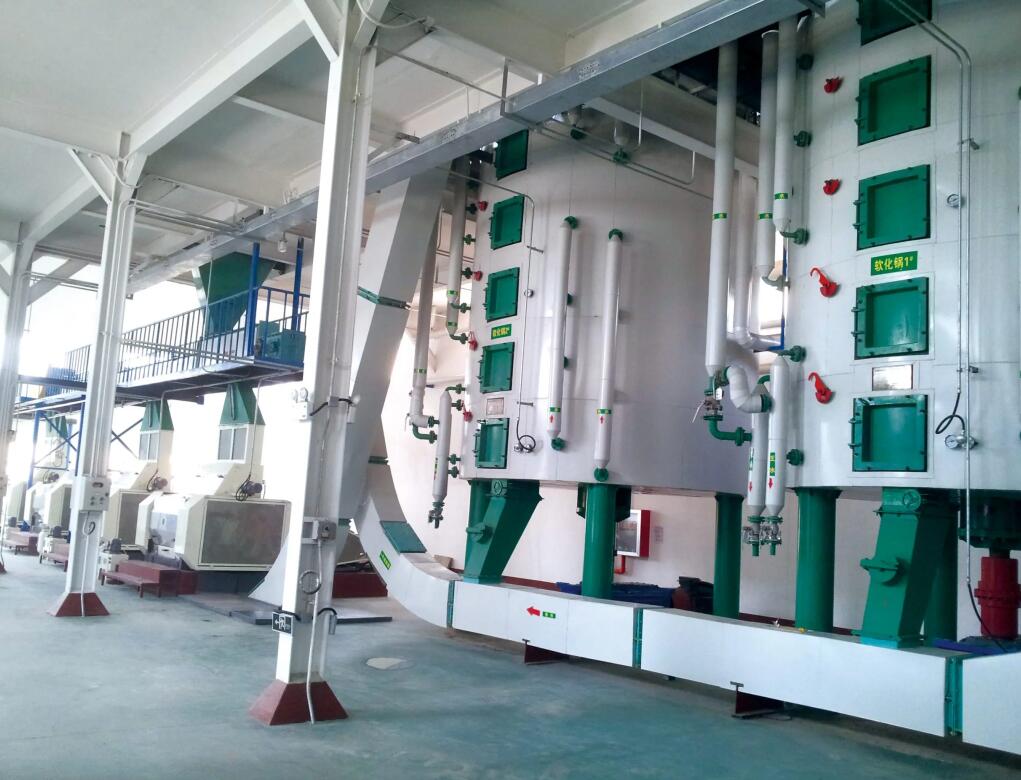
Feeding & Grinding System → Extraction/Reaction Tanks (1st & 2nd Extraction) → Horizontal Decanter Centrifuge → Acid Precipitation Tank → Curd Centrifuge → Washing Tank → Neutralization & Slurry Mixing Tank → UHT Sterilization & Flash Deodorization → High-Pressure Homogenization → Spray Drying Tower (Core high-value equipment) → Screening & Packaging.
Investment Reference (Excluding land and factory buildings)
• Small-scale line (7–15 tons/day): Equipment cost 2–6 million RMB;
• Supporting facilities: SC-compliant clean workshop, wastewater treatment station (critical priority), steam boiler, raw material warehouse;
• Total investment (equipment + civil works + environmental protection + working capital): 8–16 million RMB.
Medium-scale line (30–50 tons/day): Equipment cost 12–22 million RMB; total investment exceeds 30 million RMB.
Raw Material Consumption and Cost Reference
• To produce 1 ton of SPI, approximately 2.2–2.4 tons of low-temperature defatted soybean meal are consumed; protein extraction yield is 65–72%;
• Major costs: Soybean meal accounts for 75–82% of total costs; steam energy consumption is massive; costs for acid/alkali reagents and wastewater treatment are significant.
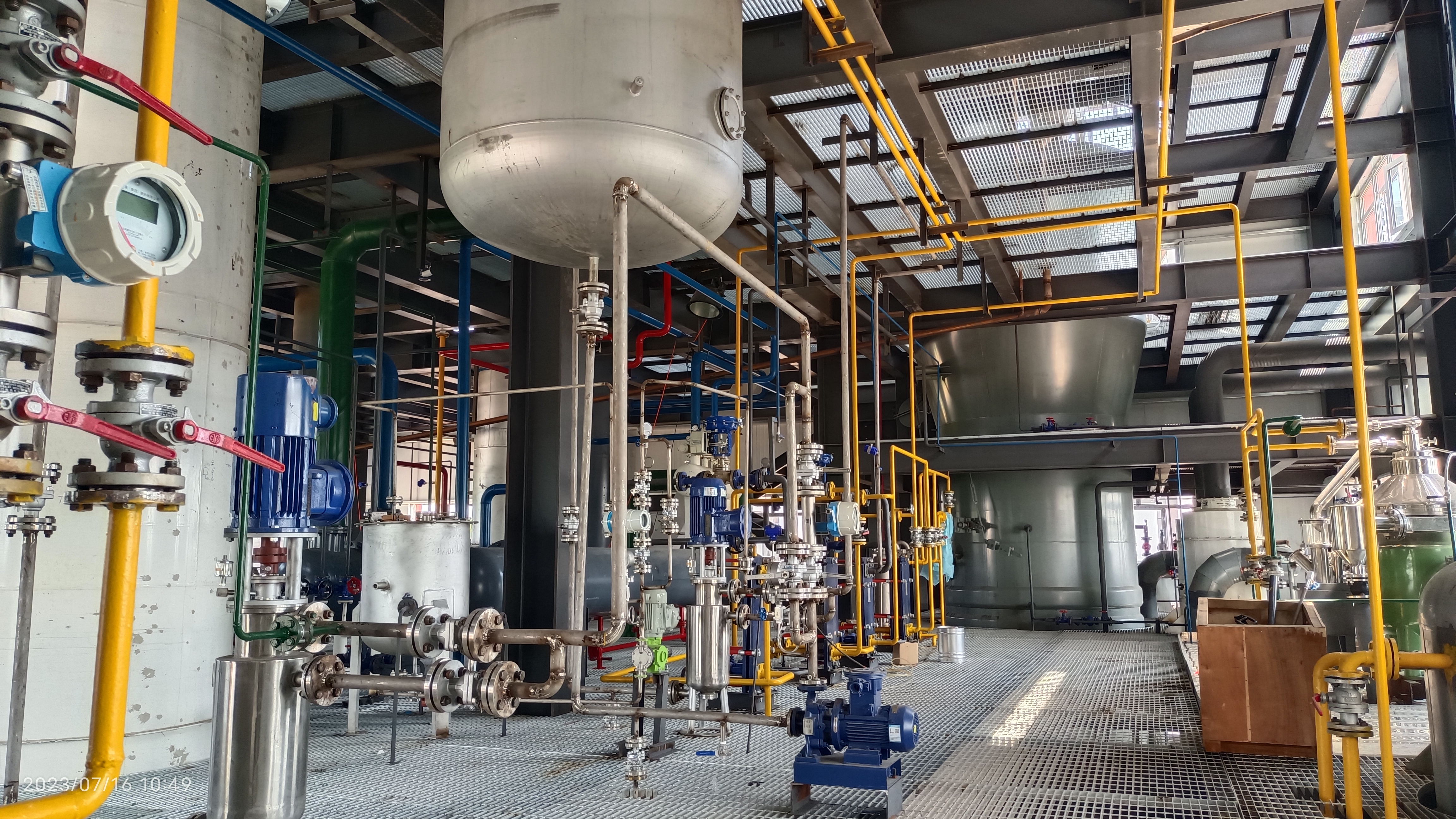
Protein Concentration Process by Alcohol Method-Huatai Group
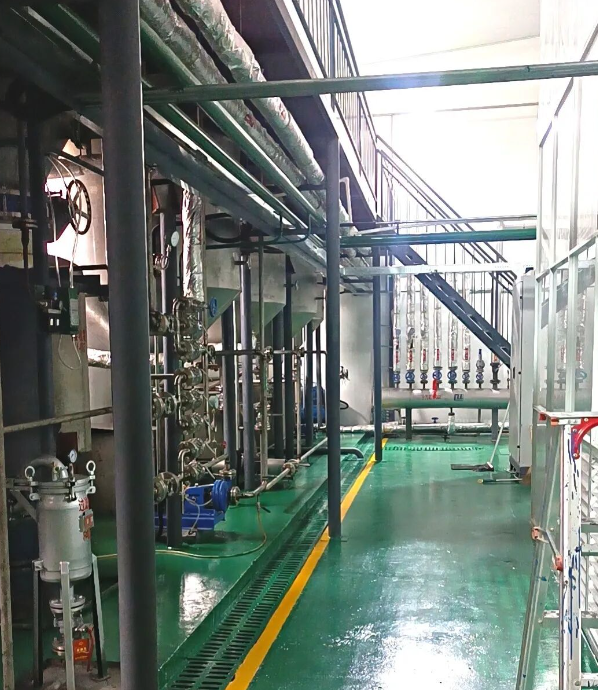
The full continuous alcohol production process is adopted, and there is no sewage in the production process.
The output of a single production line reaches 100000 tons/year of soybean protein concentrate.
Advanced technology of soybean protein concentrate with Admn-alcohol method.
The production line is automatically controlled by the whole computer to ensure the stability of process parameters.