PFAD
Palm Fatty Acid Distillate
The main by-product of palm oil refining. It has a very high acid value, stable supply and low cost, and serves as the primary industrial feedstock for SAF.

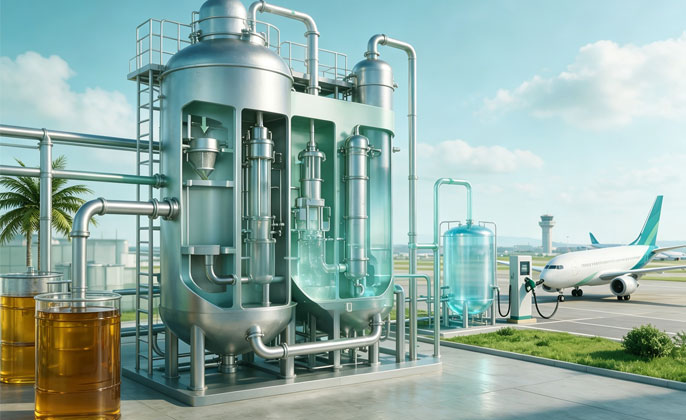
This process uses waste oils and fats from across the palm industry chain as feedstock. Three main renewable streams are accepted: palm fatty acid distillate (PFAD), a by-product of palm oil refining; skimming oil recovered from palm oil mill effluent (POME); and used cooking palm oil (UCO). Through staged pretreatment, hydrodeoxygenation, hydroisomerization and precision fractionation, these low-value waste oils are converted into high-quality synthetic paraffinic kerosene (HEFA-SPK).
No esterification step is involved and no methanol is consumed. The line tolerates industrial waste palm oils with high acid value, heavy impurities and high water content.
The finished fuel meets ASTM D7566 and fits the standard blending rules for civil aviation aircraft. Premium biodiesel, naphtha and LPG are recovered at the same time as by-products.
| Technology route | HEFA hydroprocessing: hydrodeoxygenation (HDO) + hydroisomerization + precision fractionation |
|---|---|
| Accepted feedstocks | PFAD (palm fatty acid distillate), POME skimming oil, UCO (used cooking palm oil) — waste streams only, no fresh palm oil |
| Esterification / methanol | Not required — fully hydrogenation route |
| Overall feed conversion | ≥ 95% |
| SAF jet fraction yield | 40%–48% (adjustable with biodiesel split) |
| Jet fuel carbon range | C8–C16 branched isoparaffins |
| Pretreated feed specification | Water ≤ 500 ppm · impurities ≤ 0.01% · metal ions ≤ 1 ppm · FFA accepted up to 90% |
| Product standard | ASTM D7566 Annex A2 (HEFA-SPK) |
| Blending | Drop-in with petroleum Jet A-1 at any compliant ratio; no aircraft or airport system modification |
| Co-products | Premium biodiesel, naphtha, LPG |
| Certifications supported | ISCC, CORSIA, RED |
| Plant scale | Modular, from demonstration line to industrial refinery |
The process accepts every waste oil stream from the palm chain. It does not depend on fresh palm oil, which keeps it in line with the low-carbon traceability rules applied to sustainable aviation fuel.
The main by-product of palm oil refining. It has a very high acid value, stable supply and low cost, and serves as the primary industrial feedstock for SAF.
Crude oil recovered from palm milling wastewater. As a pure industrial waste stream, it carries the best low-carbon profile and a clear carbon-reduction benefit.
Waste palm oil from catering and food processing. Its impurities are manageable and its quality is steady, which suits large-scale continuous production.
A compact, fully hydroprocessing route — no esterification, no methanol — from waste oil intake to finished, blend-ready SAF.
Four integrated units take each waste palm stream from crude intake to certified synthetic kerosene.
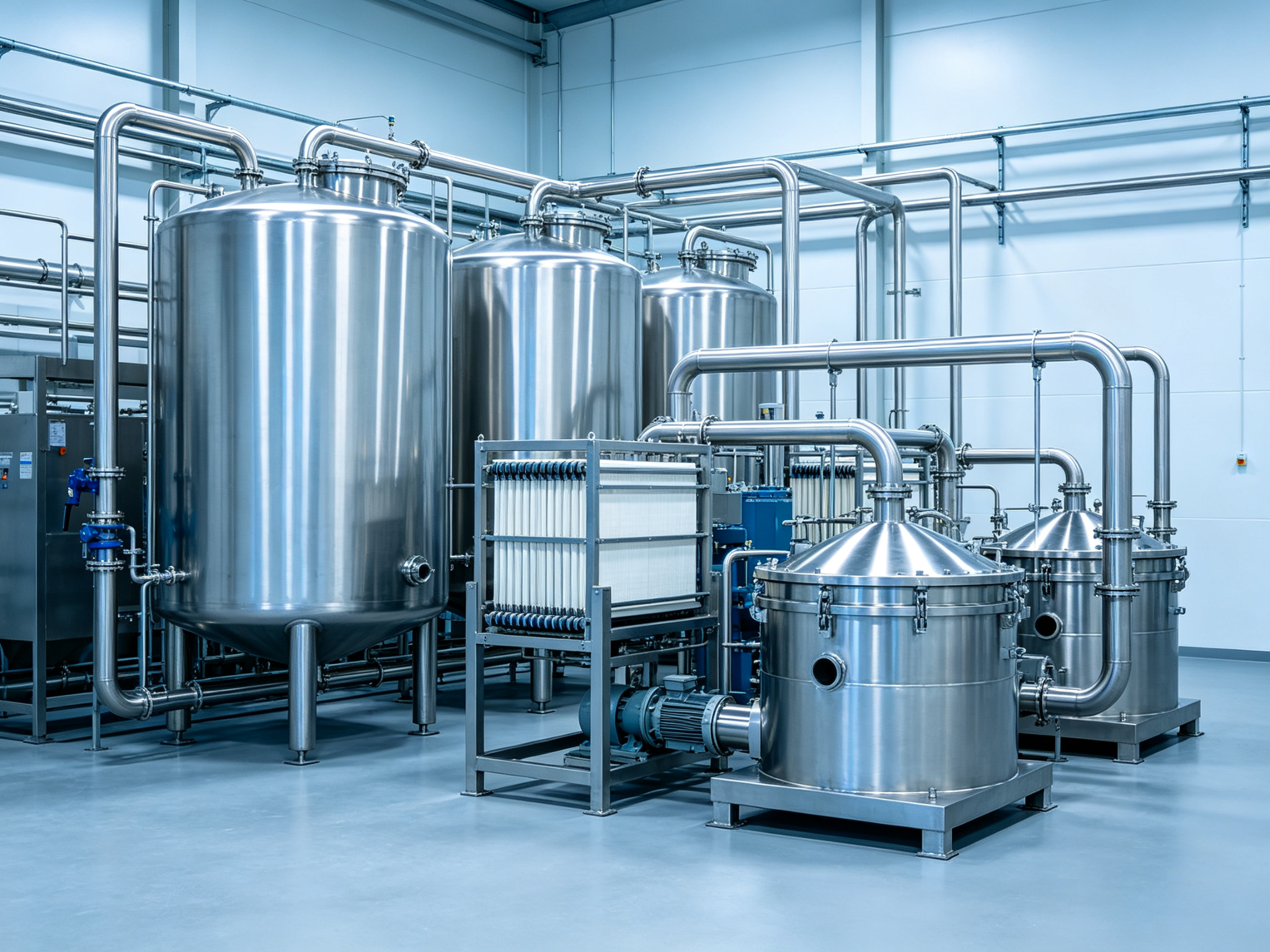
Waste palm oil arrives high in water, gums, free fatty acids and impurities, so each feed type follows a tailored pretreatment route. This addresses the problems that high-acid waste oil causes in conventional lines — coking and rapid catalyst deactivation — and brings every feed to hydrotreater specification.
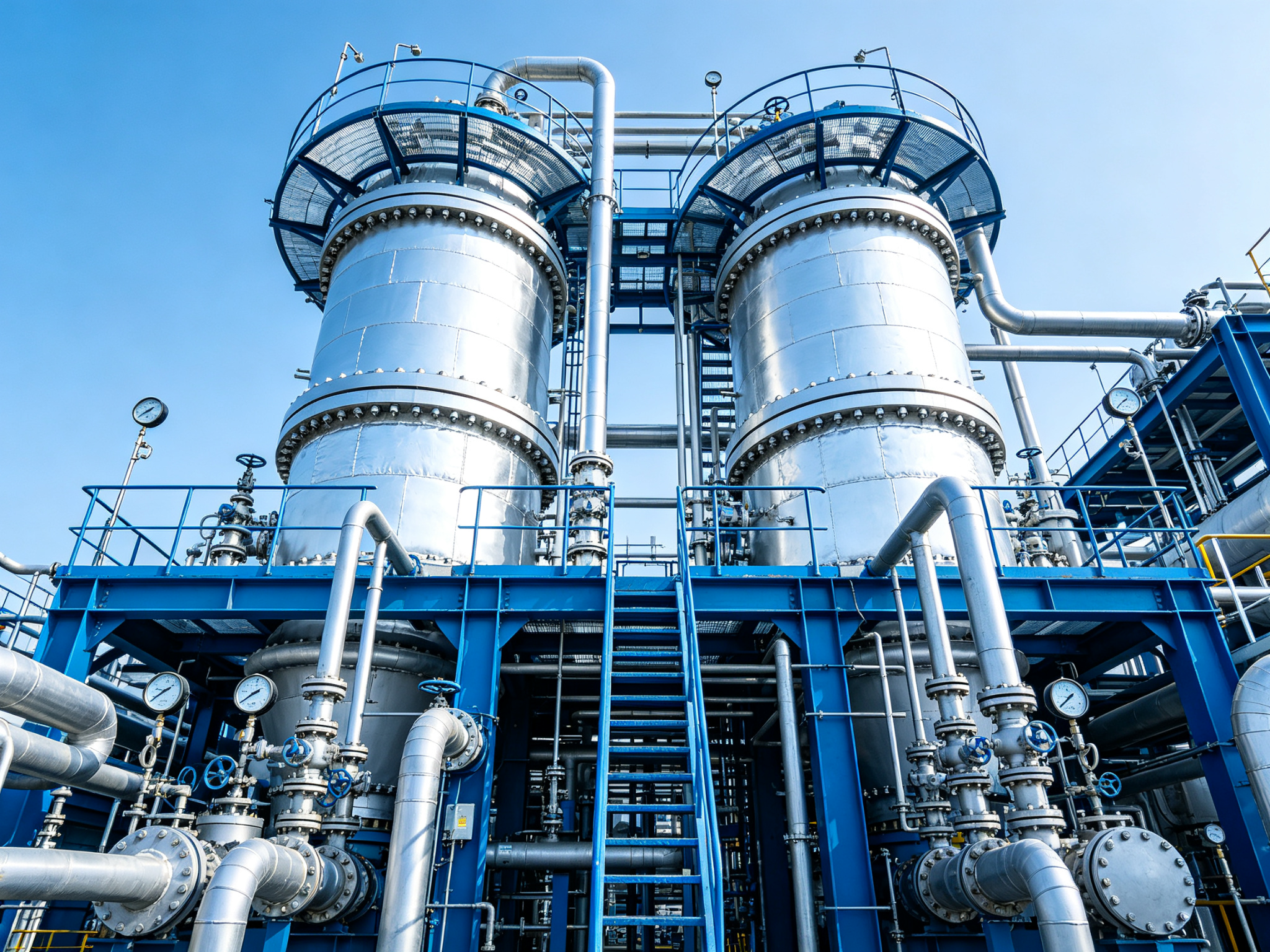
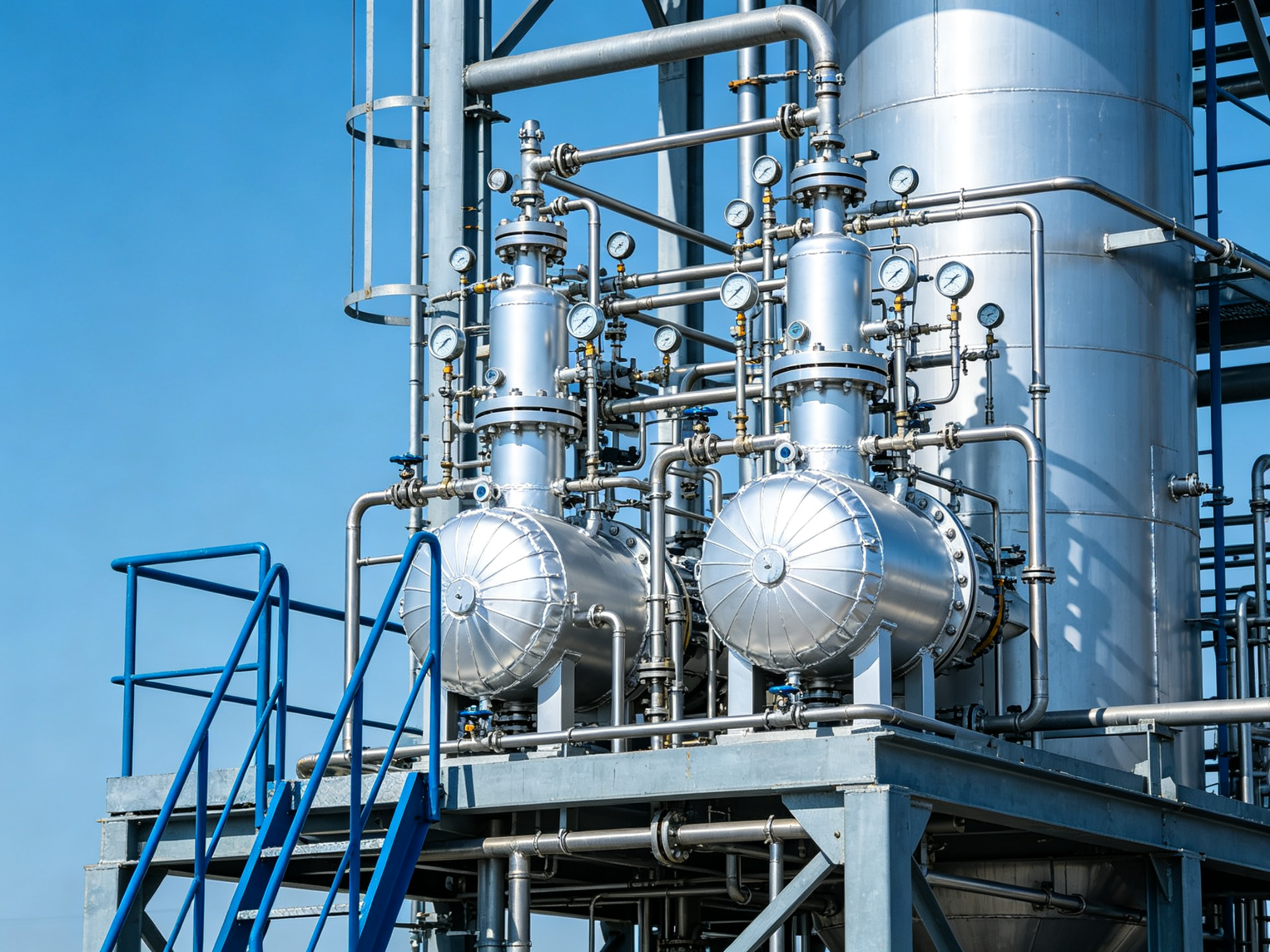
This is the core conversion unit. The refined waste palm oil is mixed with high-purity hydrogen and passed over a dedicated acid-resistant hydrotreating catalyst. Deoxygenation, decarboxylation and decarbonylation reactions convert triglycerides and fatty acids into saturated normal paraffins, while oxygen, sulfur, phosphorus and metals are removed.
The unit runs steadily on the difficult feed conditions of waste palm oil and tolerates impurity swings well.
Overall feed conversion is ≥ 95%, with stable reaction and high conversion across all three feed types.
The long-chain normal paraffins leaving the HDO unit have poor low-temperature flow and cannot meet the jet fuel freezing-point requirement. A molecular-sieve isomerization catalyst carries out skeletal isomerization together with mild, controlled cracking: long chains are rebuilt into branched isoparaffins and cut into the jet fuel carbon range.
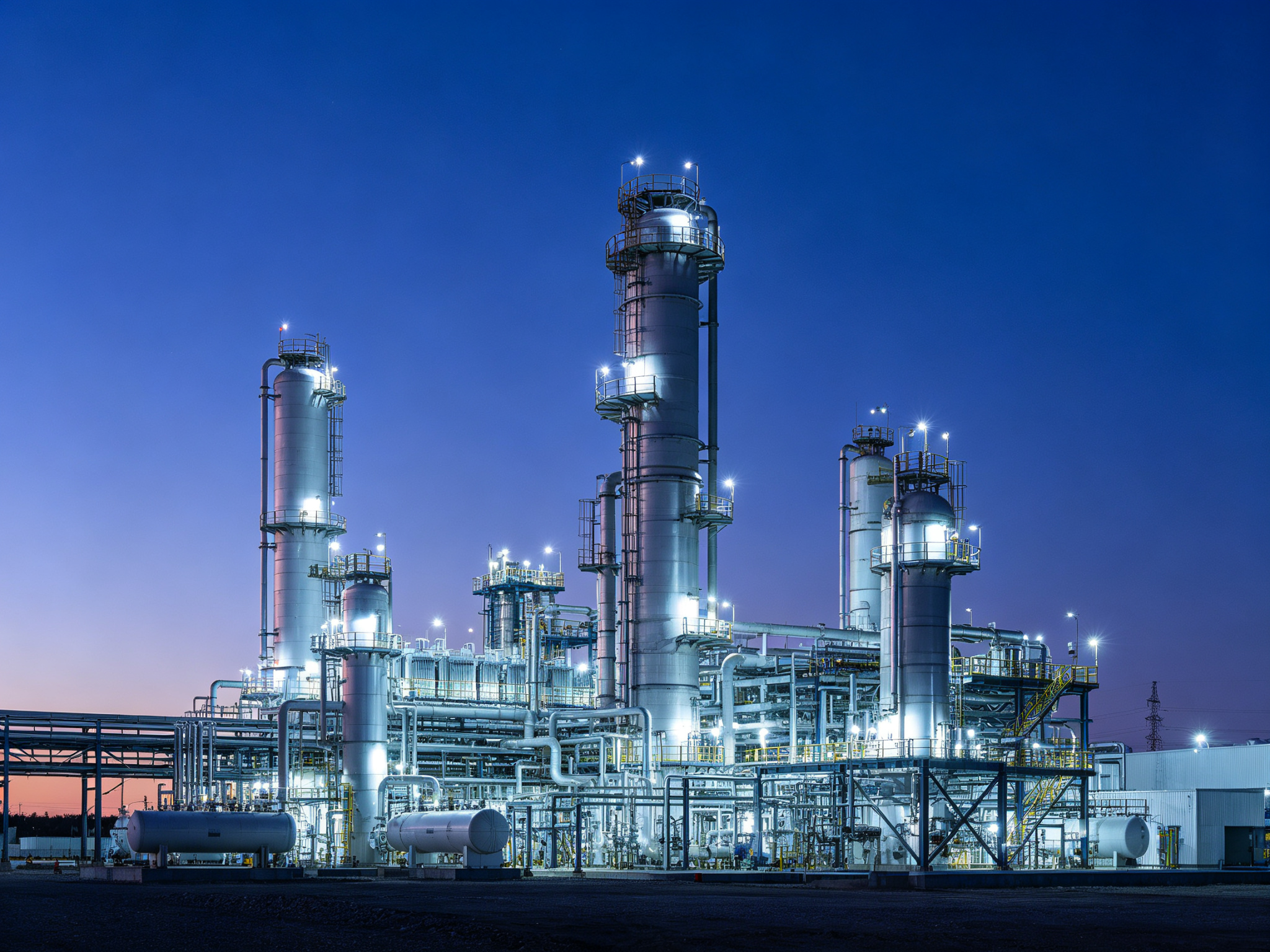
The reacted hydrocarbon mixture enters the fractionation system, where atmospheric distillation makes the cuts precisely:
Sold externally or used on site for hydrogen production.
The premium SAF aviation kerosene fraction.
A premium biodiesel fraction as value-added output.
The jet fraction then goes through polishing hydrogenation to remove trace olefins and aromatics and to set smoke point, flash point, freezing point and viscosity. The finished cut fully meets commercial aviation fuel requirements.
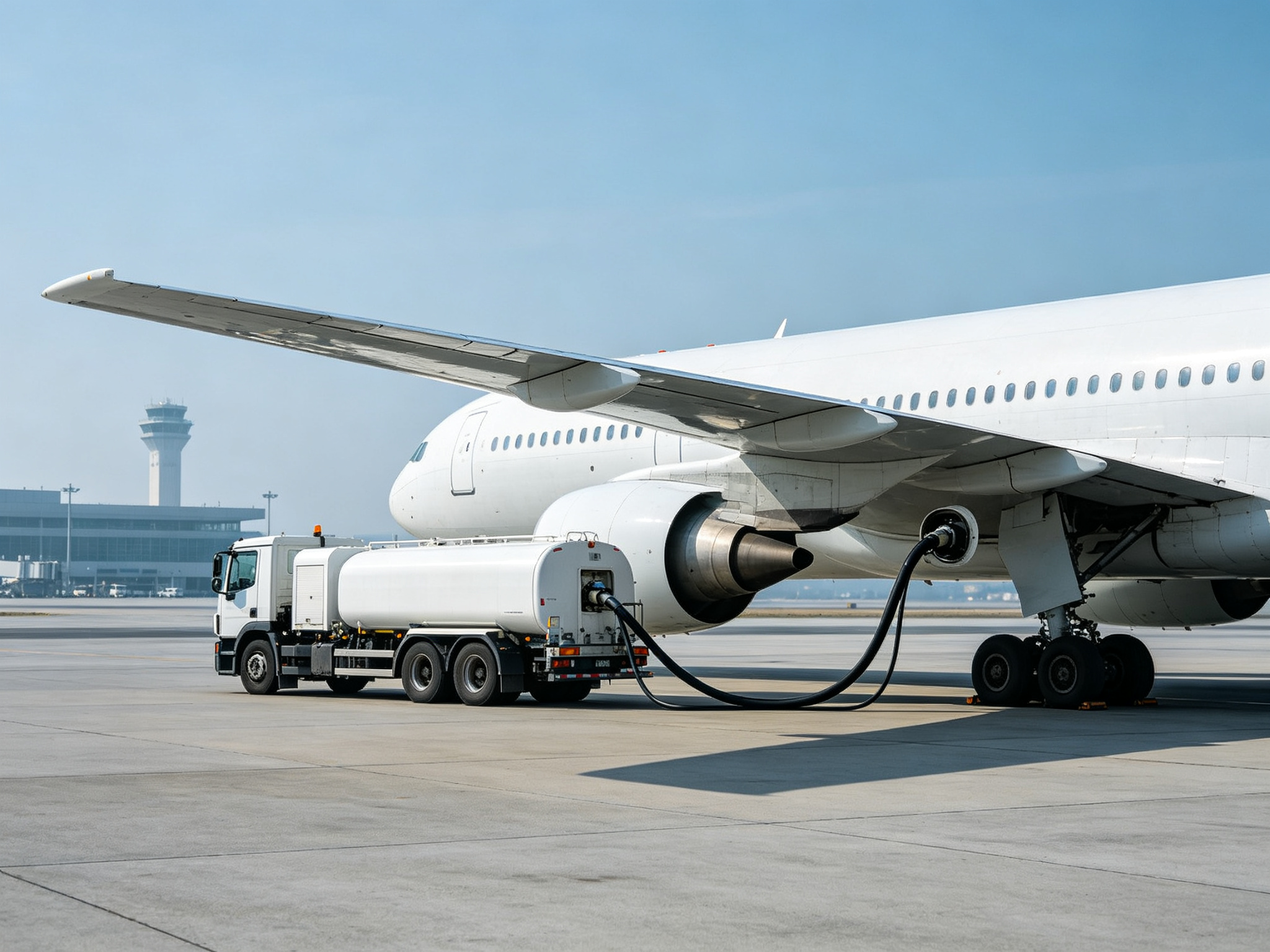
HEFA-type bio-jet fuel that meets the standards accepted worldwide — deliverable and fuelable at airports without regional restriction.
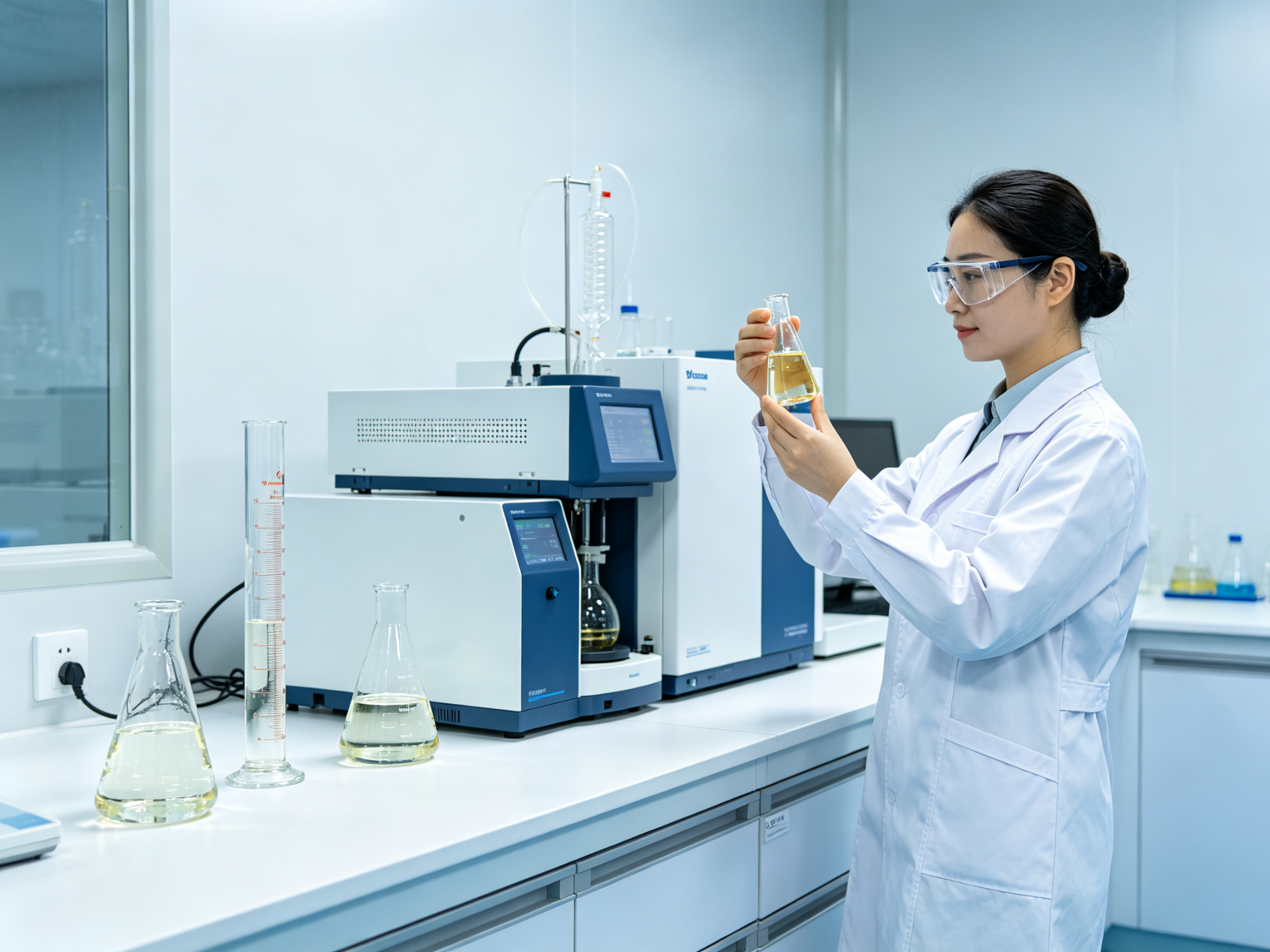
The international standard for synthesized hydrocarbon aviation turbine fuel.
Blends at any compliant ratio with petroleum-based Jet A-1. No aircraft modification and no airport fuel-system modification are required.
A waste-based HEFA line built for real industrial feed conditions, certification and long-run economics.
One line handles PFAD, POME and UCO — the full range of waste palm oils — and keeps running through feed quality swings.
The feed is entirely waste-based, with no food–fuel competition and no deforestation exposure. ISCC, CORSIA and RED certification can be pursued without difficulty.
The line follows the mainstream HEFA hydroprocessing path used worldwide: mature technology, stable operation, high safety, no experimental-process risk.
Low-cost waste oils go in; high-value jet fuel is the main product, supported by naphtha, LPG and biodiesel by-product streams.
Modular process-package design fits small demonstration lines, mid-size production plants and large industrial refineries alike.
It adds no extra waste water, waste gas or solid-waste load, and by-product fuel can supply on-site hydrogen production to cut energy and operating cost.
The process is supplied as a standardized technology package with modular delivery, from design to long-term operation support.
Built for new-energy companies, energy refineries, palm industry groups and green-energy investment projects anywhere in the world.
Direct answers to the questions buyers, engineers and certification bodies ask most often — mirrored in the page's FAQ structured data.
This HEFA route produces SAF from three waste palm oil streams: PFAD (palm fatty acid distillate), POME skimming oil recovered from palm mill wastewater, and UCO (used cooking palm oil). No fresh palm oil, esterification step or methanol is required.
HEFA-SPK stands for Hydroprocessed Esters and Fatty Acids Synthetic Paraffinic Kerosine. Waste oils and fats are hydroprocessed into paraffinic kerosene approved for aviation use under ASTM D7566 Annex A2.
The finished fuel meets ASTM D7566 Annex A2 (HEFA-SPK) and blends at any compliant ratio with petroleum-based Jet A-1, with no aircraft or airport fuel-system modification.
Overall feed conversion is at least 95%, and the jet fraction yield is 40%–48%, adjustable through temperature, pressure and hydrogen-to-oil ratio. Premium biodiesel, naphtha and LPG are recovered as co-products.
Eight steps: feedstock receiving, staged pretreatment, refined feed buffer, hydrodeoxygenation (HDO), hydroisomerization and upgrading, product fractionation, jet hydrofinishing, and finished SAF delivery.
Yes. The tailored PFAD route — melting/filtration, phosphoric acid degumming, deep vacuum dehydration, and bleaching-earth/activated-carbon adsorption — accepts FFA up to 90% with no pre-esterification and no methanol.
The modular package scales from small demonstration lines to mid-size plants and large industrial refineries, including design, equipment, catalysts, automation, commissioning, training and maintenance support.
Because feedstock is 100% waste-based with no food–fuel competition and no deforestation exposure, projects can pursue ISCC, CORSIA and RED certification.
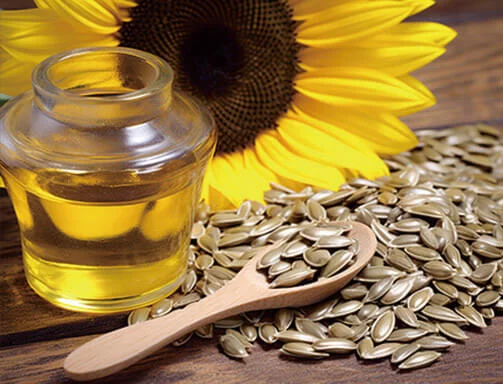
Huatai Group's sunflower oil production line converts sunflower seeds into high-quality edible oil facilities, integrating advanced technology and mature processes.
The oil content of mustard seeds varies from 37% to 49%. As a common vegetable oil with a large market share and high economic value, mustard oil is not only edible but also widely used in biodiesel.
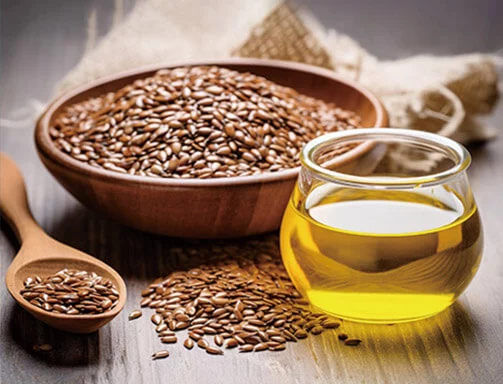
Flaxseed oil contains an appropriate amount of linolenic acid, and the ratio of linolenic acid and linoleic acid in flaxseed oil is 1:4 which is beneficial to the human body, however, linolenic acid is highly heat sensitive and is easily oxidized.
The oil content of oil cyperus esculentus is as high as 30%, and the oil quality is good. Due to its high content of monounsaturated fatty acids (oleic acid 64%%, linoleic acid 11%, linolenic acid 2%), it can be compared to olive oil and almond oil.
The crude biodiesel is divided into: light biodiesel, bio diesel, bio-heavy oil and vegetable asphalt through the three-stage fractionation and desulfurization section to meet the needs of different fields.
HEFA-SPK aviation fuel from PFAD/POME/UCO waste palm oils: pretreatment, HDO, isomerization, fractionation. ASTM D7566 A2, 95%+ conversion, 40-48% SAF yield.
A sale is the first step, not the last. We have an after-sale service team to provide our valuedclients with timely support.Wherever you are from, whatever you need, we're happy to help you.
From scheme forming to the customer site testing, we provide customers with perfect service system that form comprehensive, three-dimensional quality coverage.
Over the years we have kept a record ofcommon questions asked by Huatai usersand potential users.
Whether you contact us by phone, email, or leave a message online, we will provide you with comprehensive and high-quality services.
Phone: 0086-183-3726-3319
WhatsApp:
Email: molly@cnhuataigroup.com
Address: Xiangjiang Road, Industry Zone, Hua County Henan Province, China
Huatai Intelligent Equipment Group
To be the world's most reliable provider of healthy edible oil equipment!