Core Principle: Triglycerides (fats/oils) undergo hydrolysis, breaking ester bonds to yield free fatty acids and glycerol (a water-soluble by-product).
Simplified Reaction: Triglyceride + 3H₂O → 3 Fatty Acid Molecules + Glycerol
Four Mainstream Processes (Industrial Selection Comparison)
1. High-Pressure Continuous Tower Hydrolysis (Industry standard for large plants; preferred for palm oil/soybean oil lines)
Conditions: 250–260°C, 5.0–6.0 MPa, catalyst-free; oil enters at the tower bottom and high-pressure water at the top for counter-current contact.
Conversion rate ≥98%; suitable for continuous mass production.
Products: Crude fatty acids exit from the top; "sweet water" (dilute glycerol solution, later concentrated for glycerol recovery) discharges from the bottom.
Advantages: High output, low acid/alkali consumption, minimal wastewater.
Disadvantages: High equipment pressure-resistance requirements, high initial investment; high temperatures may cause slight oxidation of unsaturated fatty acids.
2. Saponification-Acidification Method (Legacy process; used by small plants or for soap stock/waste oil feedstocks)
Process: Oil + NaOH (heated saponification) → Soap (sodium fatty acid salt) → Sulfuric acid acidification → Crude fatty acids precipitate → Water washing and phase separation.
Advantages: Simple equipment, high feedstock adaptability (e.g., waste cooking oil, soap stock).
Disadvantages: High acid/alkali consumption, generates saline wastewater, significant environmental compliance pressure; largely phased out in modern large-scale oleochemical plants.
3. Enzymatic Hydrolysis (Mild process; for high-end, food-grade, or pharmaceutical-grade fatty acids)
Uses lipase; hydrolysis occurs at atmospheric pressure and low temperatures (40–60°C).
Advantages: Low temperature prevents oxidation of unsaturated fatty acids; results in good product color.
Disadvantages: High enzyme costs, slow reaction rates, low production capacity; mostly used for specialty products, unsuitable for bulk palm oil fatty acid production.
4. Subcritical / Supercritical Water Hydrolysis (New process; mostly at the pilot-plant stage)
Uses high-temperature, high-pressure pure water; no catalyst required; extremely fast reaction; very high equipment costs; limited industrial application.
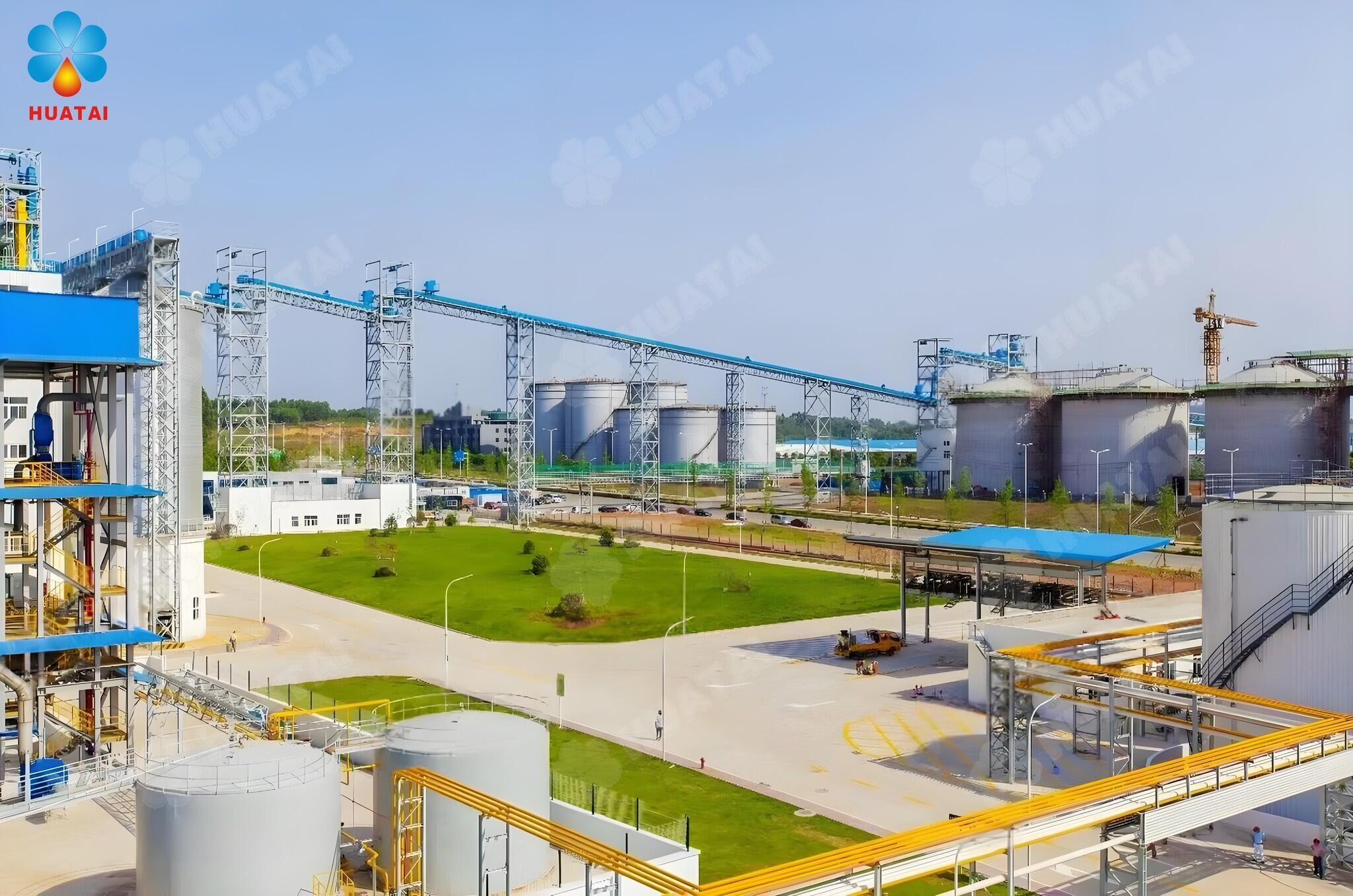
Complete Production Process (High-Pressure Hydrolysis Route)
1. Raw Material Pretreatment: Palm oil/crude oil; degumming, impurity removal, and phospholipid removal to prevent coking in the hydrolysis tower.
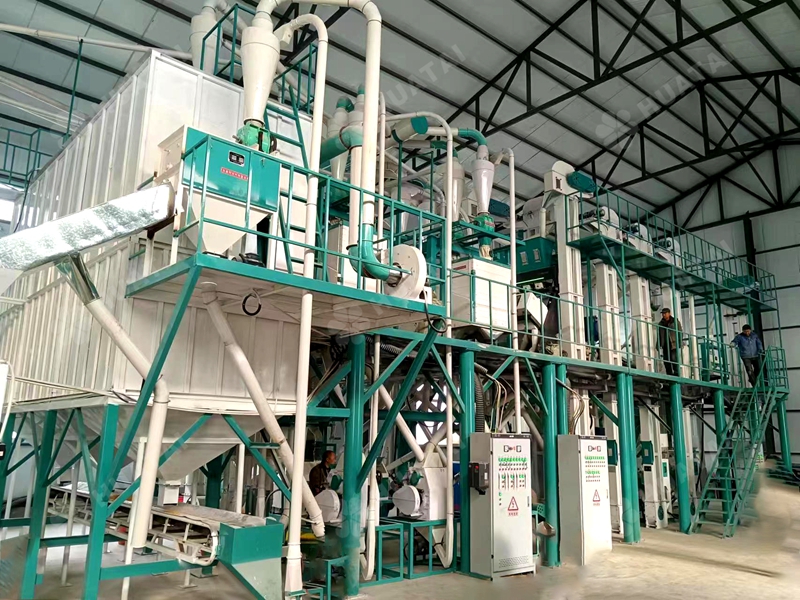
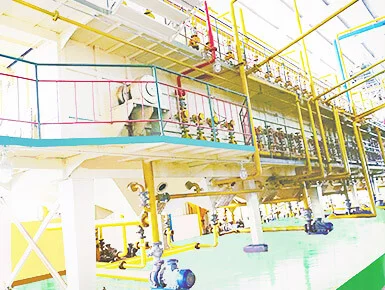
2. High-Pressure Hydrolysis Tower: Counter-current reaction between oil/fat and high-pressure hot water to split triglycerides.
3. Flash Separation: Pressure reduction and flash evaporation of the discharge; phase separation into an upper layer of crude fatty acids and a lower layer of "sweet water" (aqueous glycerol).
4. Crude Acid Refining
Vacuum Distillation: Separation of fatty acids by carbon chain length (e.g., C16 palmitic acid, C18 oleic/stearic acid).
Fractionation (Melt Crystallization): Separation of saturated and unsaturated fatty acids based on melting point differences (core process for palm oil fractionation).
5. By-product Recovery: Concentration of sweet water via multi-effect evaporation and purification to obtain industrial-grade glycerol.
Raw Material Options (Relevant to the grain and oil industry)
High-quality raw materials: Palm oil, palm kernel oil, soybean oil, rapeseed oil.
Low-cost raw materials: Acidulated oil, soapstock, Used Cooking Oil (UCO) (high impurity content, high pretreatment costs).
Products and Applications
Distillation and fractionation of mixed crude fatty acids yield:
Palmitic acid C16:0 (soaps, plastic stabilizers)
Stearic acid C18:0 (lubricants, rubber)
Oleic acid C18:1 (surfactants, cosmetics)
Key Risk Factors (Critical considerations for plant investment)
1. High-temperature, high-pressure equipment requires high-grade materials; risks regarding corrosion and safety.
2. High-temperature oxidation of unsaturated fatty acids causes darkening, affecting product quality.
3. Treatment of sweet water and wastewater; environmental compliance and impact assessments are major hurdles.
4. High energy consumption in the fractionation process directly impacts production costs.