Turning Rice Bran into Treasure: Solvent Extraction Maximizes Oil Yield and Enhances Meal Value
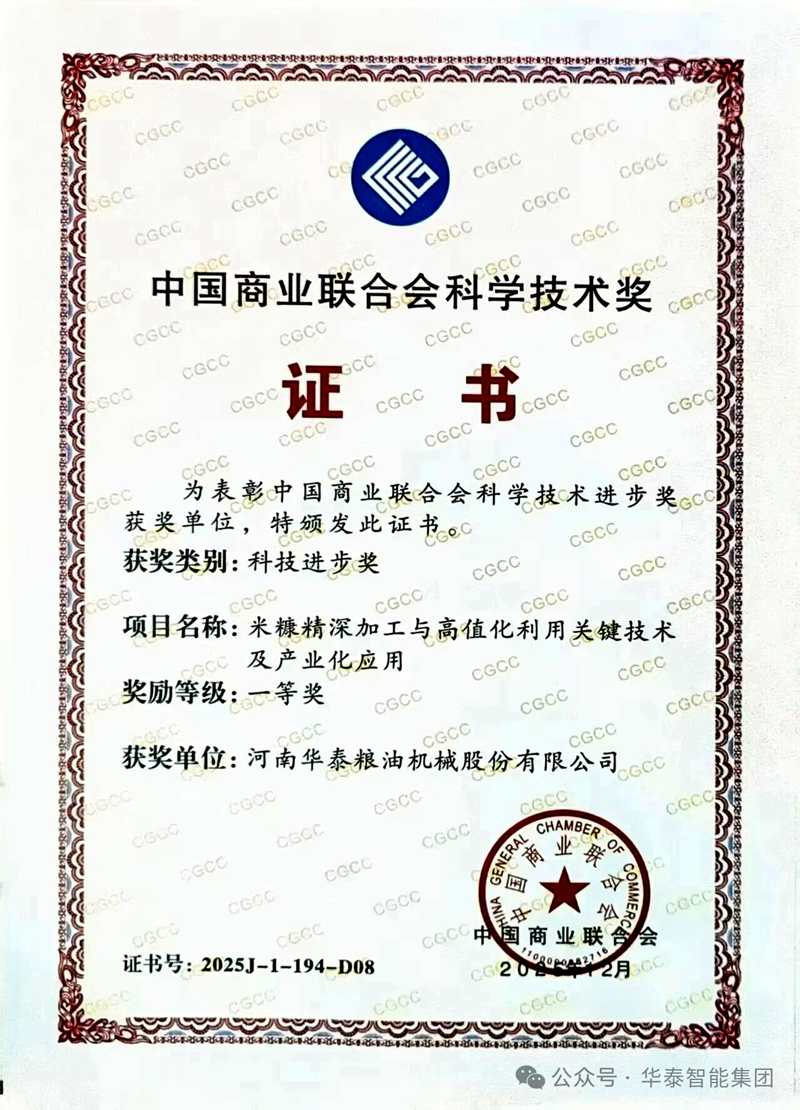
As a byproduct of rice processing, rice bran is often treated merely as animal feed or discarded entirely, leaving its economic potential largely untapped. However, breakthroughs in deep processing technologies—specifically the mature application of modern solvent extraction—are transforming rice bran from "waste" into "treasure," establishing it as a vital source of high-value-added products. This shift not only enables the circular utilization of agricultural byproducts but also paves the way for the sustainable development of the grain and oil industry, elevating what was once considered a mere "scrap" into a significant "product" within the industrial value chain.
How does
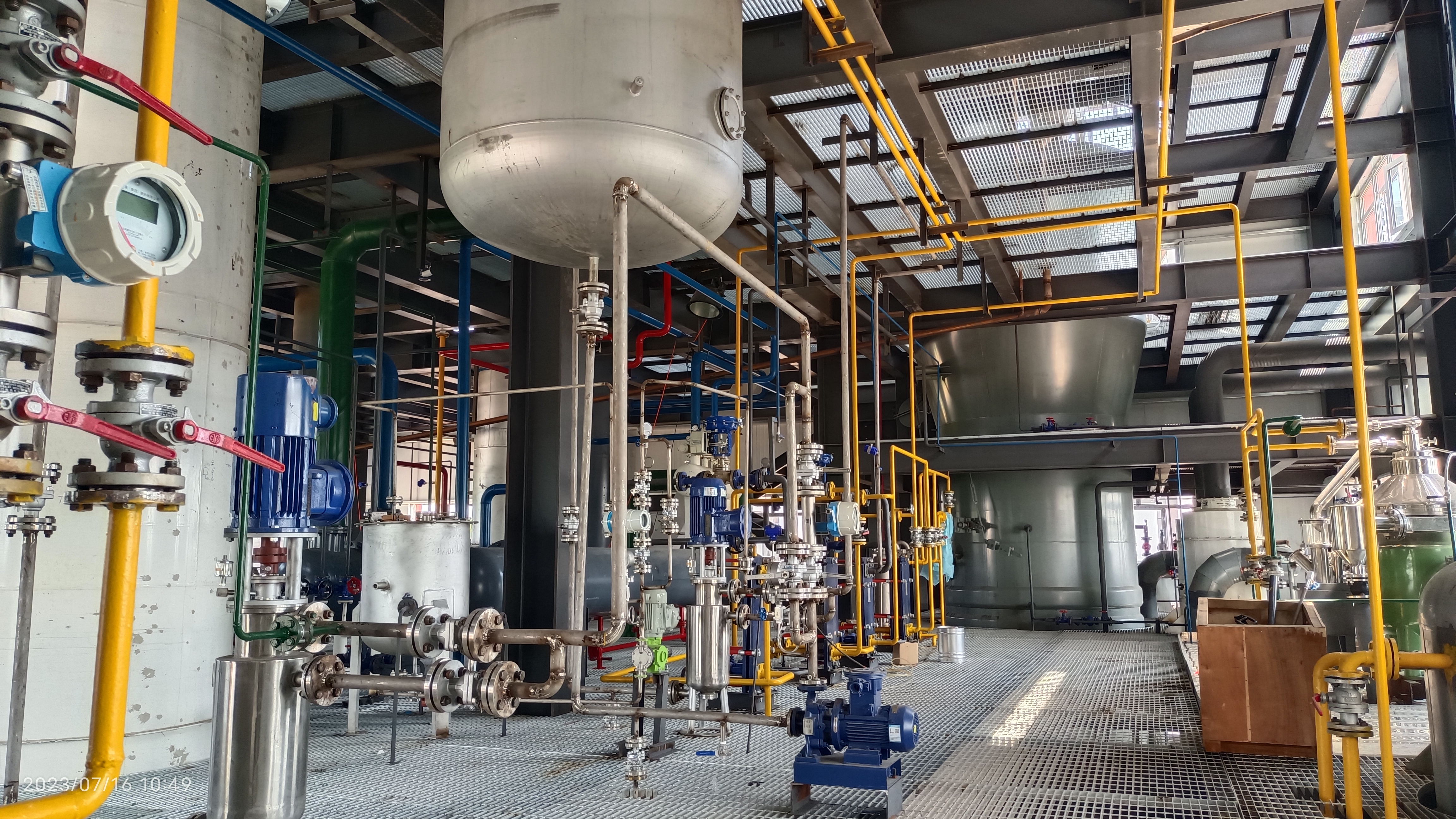
solvent extraction achieve high oil recovery and add value to the resulting meal?
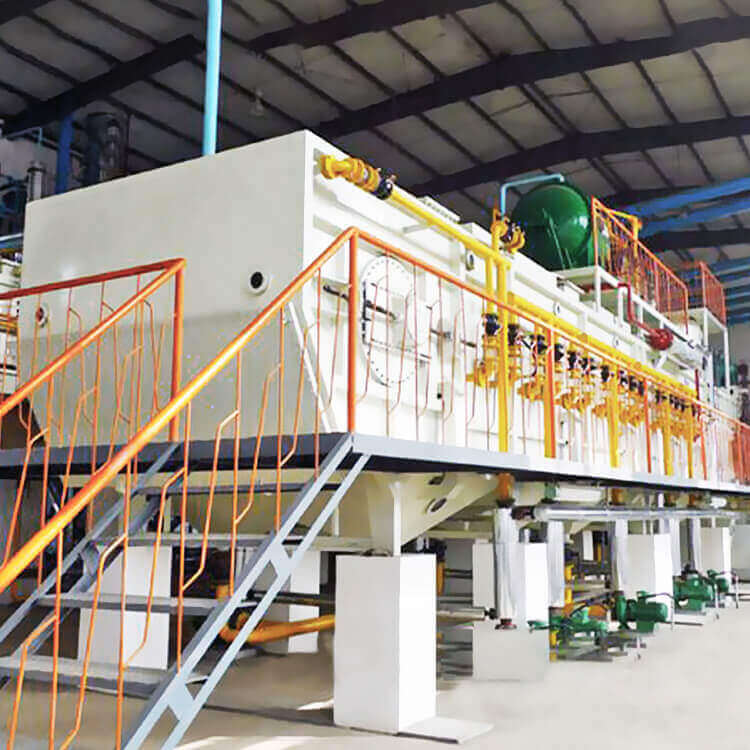
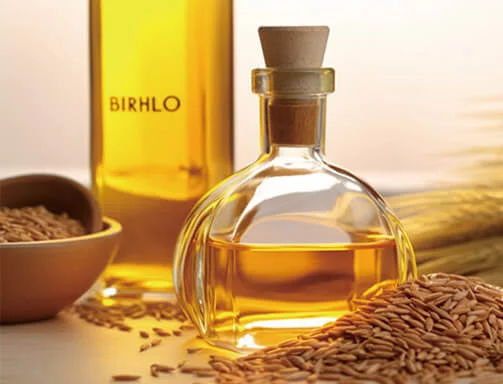
Rice bran boasts an oil content of 15%–20% and excellent quality; however, its high fiber content and active enzyme systems make traditional mechanical pressing methods inefficient and prone to rapid rancidity. Modern solvent extraction employs solvents to thoroughly extract oil from the bran under mild conditions. This process achieves an oil recovery rate exceeding 90%—far surpassing mechanical pressing—and yields oil that is clear in color and retains most of its nutrients. Rich in bioactive compounds such as gamma-oryzanol, vitamin E, and phytosterols, this oil is hailed as "heart-healthy oil" and "youth oil," commanding a significantly higher market value.
The value of the defatted rice bran meal remaining after extraction is also substantially enhanced. While traditional rice bran meal is typically used as low-value animal feed, the rice bran oil solvent extraction process concentrates the protein content and alters the fiber structure to improve digestibility. More importantly, subsequent deep processing allows for the extraction of high-value products such as phytic acid, rice bran protein, dietary fiber, and polysaccharides. For instance, rice bran protein serves as a high-quality, hypoallergenic plant protein source, while rice bran dietary fiber is an ideal ingredient for health foods. Consequently, rice bran meal has evolved from a basic feed ingredient into a versatile, functional raw material sought after by the food and chemical industries, thereby extending the value chain.
The promotion of rice bran oil solvent extraction projects aligns with the principles of the circular economy and low-carbon development. It achieves the comprehensive utilization of paddy resources—extracting every ounce of value—thereby reducing waste emissions and enhancing the overall economic returns of rice processing. For enterprises, this extends the industrial chain and creates new avenues for profit growth; for the industry, it drives the transformation and upgrading of grain and oil processing from crude methods to precision, deep processing, and from single-product output to comprehensive resource utilization. Furthermore, the development of rice bran oil helps diversify domestic edible oil sources and strengthens supply stability.
Complete Production Process for Rice Bran Wax
Raw Material: Crude rice bran oil (solvent-extracted)
Winterization, Crystallization, and Dewaxing
Heat crude rice bran oil to 50°C and filter to remove impurities; slowly cool to 5–12°C and hold for 8–12 hours to allow wax to crystallize and precipitate, forming a cloudy wax slurry.
Separation of Crude Wax (Two Methods)
Plate-and-frame filtration: Low-temperature pressure filtration; the filter cake is crude wax (slurry containing 40%–60% neutral oil), and the filtrate is dewaxed rice bran oil.
Centrifugal separation: High-speed separation using a horizontal centrifuge; offers higher efficiency and is suitable for large-scale oil plants.
The resulting crude wax is a dark brown paste containing significant amounts of oil, gums, pigments, and phospholipids; it requires refining for commercial use.
1.
Melting and Vacuum Dehydration of Crude WaxMelt crude wax into a liquid state at 80–100°C; remove water via vacuum drying at 105°C.
2.
Solvent Degreasing/Extraction (Core Step)Add acetone or isopropanol at a wax-to-solvent ratio of 1:4 to 1:7; reflux and stir at 75–85°C for 1.5–2 hours.
Slowly cool while maintaining temperature to 20–30°C; wax crystallizes and precipitates, while oil and gums dissolve in the solvent.
3.
Filtration and SeparationPerform pressure filtration or centrifugation; the filter cake is degreased crude wax, while the filtrate is sent to an evaporator to recover the solvent (for recycling) and the rice bran oil.
4.
Degumming and PurificationTreat degreased wax with isopropanol and a small amount of magnesium hydroxide; reflux at 80°C, allow to stand so gums settle, and separate the dark impurity layer.
5.
Solvent RemovalSubject the filter cake to low-pressure distillation to completely remove residual solvent (residual solvent for food-grade products must be <50 ppm).
6.
Deep DecolorizationDissolve the wax in n-hexane, add activated bleaching earth and a small amount of activated carbon, and decolorize/filter at 65°C to significantly improve whiteness. 7. Molecular Distillation (Optional for high-end food/pharmaceutical grade wax)
Short-path distillation under high vacuum at 180–200°C removes odors and trace free acids, yielding a pure white, odorless refined rice bran wax suitable for use in lipsticks, medical dressings, and food-grade release agents.
8.
Casting and MoldingLiquid wax is cooled and molded into finished products in the form of granules, blocks, or flakes.
In summary, the application of modern edible oil
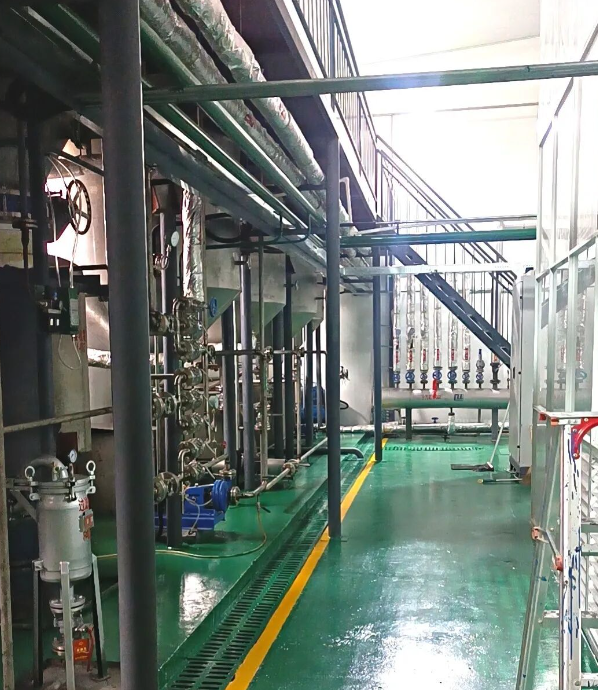
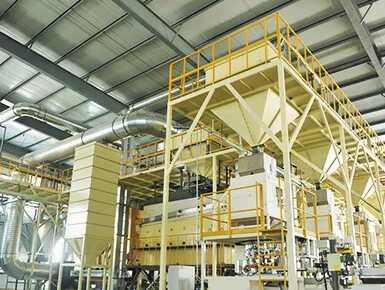
solvent extraction technology is the key driver behind transforming rice bran from waste into a valuable resource. Through a highly efficient and gentle extraction process, it not only fully recovers the oil contained within the rice bran—yielding a highly nutritious product—but also significantly improves the quality and functionality of the rice bran meal (the byproduct), opening up vast possibilities for high-value utilization. For enterprises, this technology enables full resource utilization, increases oil yield and meal quality, and boosts overall profitability. We invite you to contact Henan Huatai Cereals & Oils Machinery Co., Ltd. to inquire about and inspect our rice bran oil solvent extraction equipment.