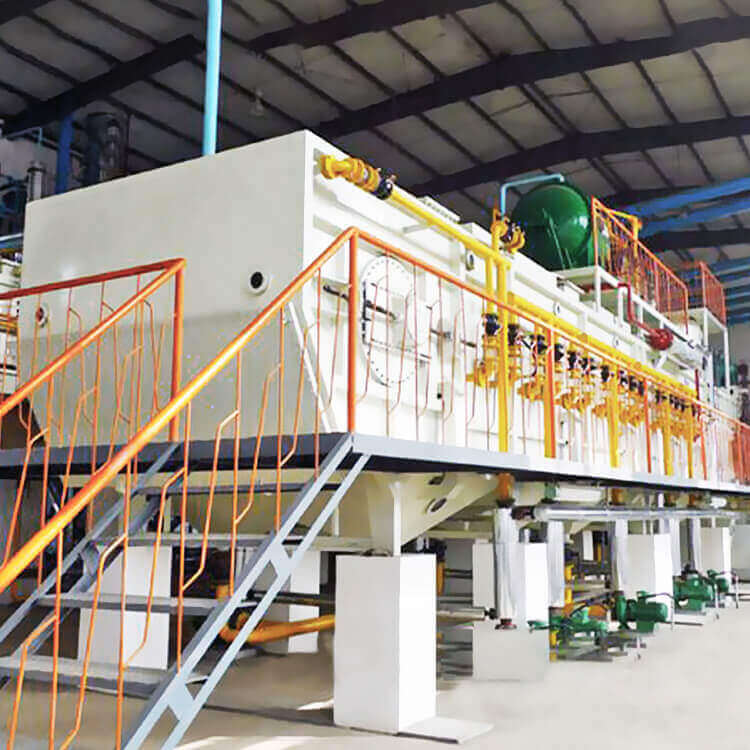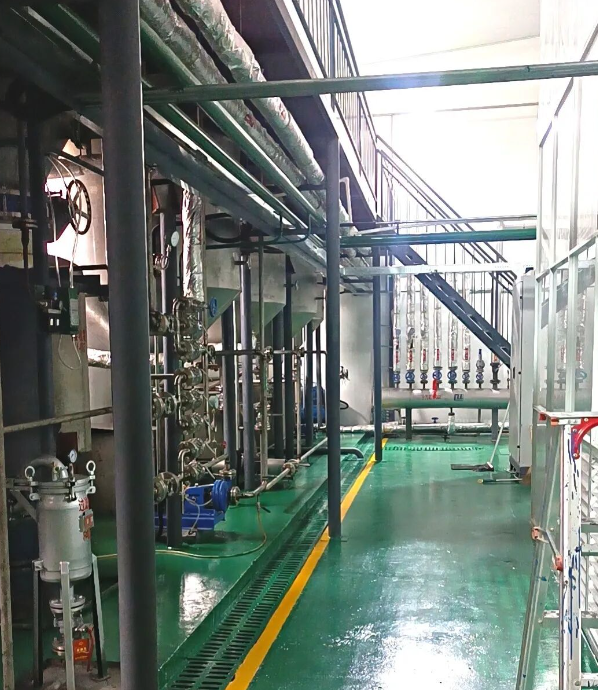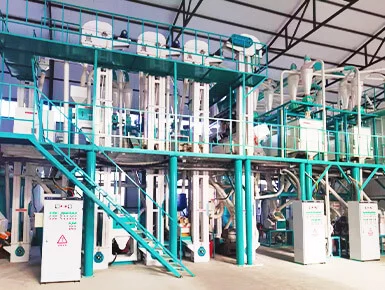
In recent years, numerous enterprises have been developing processes to extract oil from spent bleaching earth, aiming to maximize oil recovery rates. While various technical approaches exist—ranging from those already in industrial use to those still in the R&D or pilot-testing stages—solvent extraction remains the most widely adopted mainstream method. This mature, versatile technology serves as the core process for global vegetable oil production; the extraction stage is the critical step, utilizing n-hexane as the solvent.
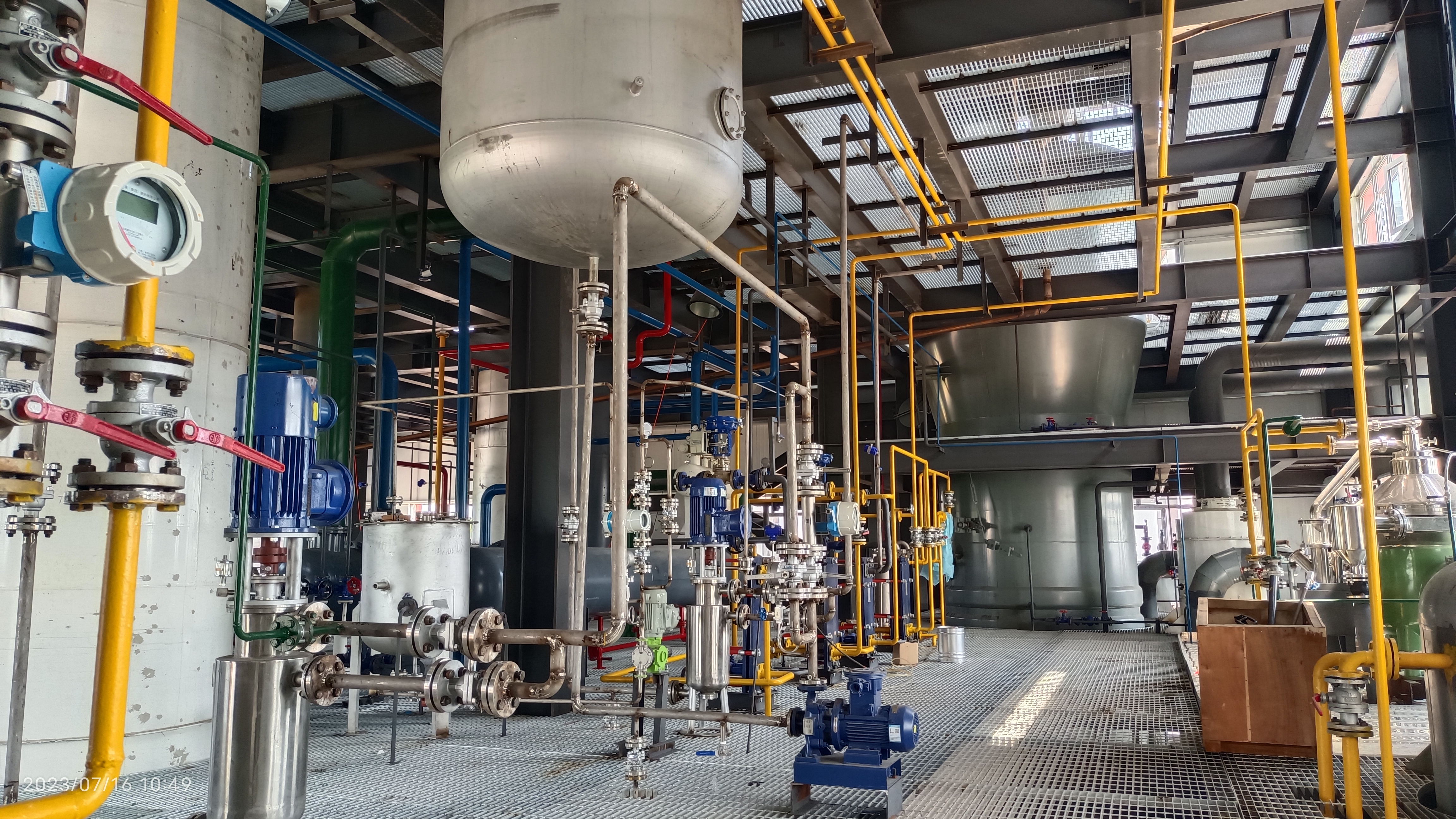
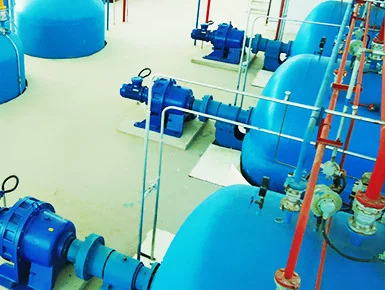
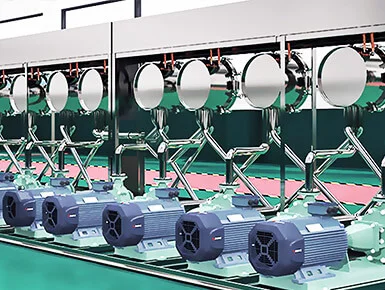
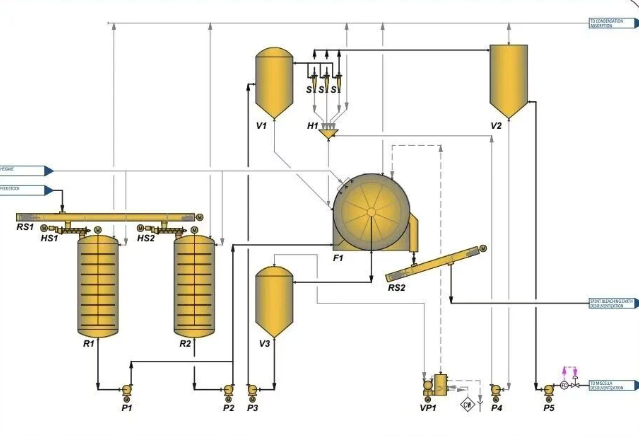
The typical process flow for solvent extraction from spent bleaching earth differs from traditional vegetable oil extraction primarily at the extraction stage. In traditional production, pre-treated oilseed flakes are fed directly into an extractor and soaked in n-hexane to extract the oil; however, this method is unsuitable for spent bleaching earth. In actual production, the spent bleaching earth is first mixed with n-hexane in a reaction vessel to form a slurry. The vessel specifications and slurry preparation time are determined by the preset residence time—factors that constitute core technical know-how for the enterprises involved. The resulting slurry is then fed into a suitably sized continuous vacuum filter to separate the solid residue from the oil-solvent mixture (miscella). Some processes include a secondary washing step, where the filter cake is rinsed with the fresh n-hexane intended for the next batch to ensure the complete removal of residual oil from the spent bleaching earth. Subsequent steps—such as distillation of the mixture and solvent recovery—are essentially identical to those in conventional vegetable oil extraction. This process offers excellent efficiency, capable of reducing the residual oil content in spent bleaching earth to below 1%. Processing one tonne of material typically consumes less than 600 kg of steam and 4.5 kWh of electricity. While these energy consumption figures may vary based on plant scale and location, they serve as a useful benchmark for projects.
Following oil extraction, the oil content of the spent bleaching earth is drastically reduced, eliminating the risk of spontaneous combustion and significantly enhancing safety during transport and disposal. The treated spent bleaching earth can also be further utilized—for instance, in the manufacture of cement bricks. For manufacturers, waste residue that previously incurred disposal costs can now generate modest revenue, effectively optimizing overall production costs.