There are two main sources of used palm oil: ① Food service sector: palm cooking oil discarded after frying; ② Industrial sector: palm refining by-products such as PFAD (Palm Fatty Acid Distillate), PAO (Palm Acid Oil), and SPO (Sludge Palm Oil). These materials have high Free Fatty Acid (FFA) content; they are strictly prohibited from being reused as edible oil and are instead fully utilized for industrial purposes.
Feedstock challenges: High acid value, moisture, gums, soaps, metal ions, and chloride impurities. Inadequate impurity removal can corrode equipment and poison hydrogenation catalysts.
I. Comprehensive Pretreatment Process (Required regardless of whether the downstream product is biodiesel or SAF)
Objective: Dehydration, removal of solid residues, degumming, soap removal, metal removal, and impurity reduction; the feedstock cannot enter the reaction unit directly.
1. Sedimentation + Heating/Conditioning
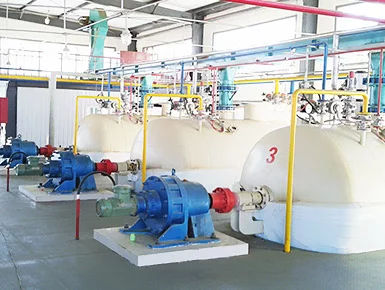
Heat storage tanks to 55–65°C to ensure oil fluidity; allow for static sedimentation to separate bulk water and sludge/sediment, then discharge sludge from the bottom.
2. Three-Phase Centrifugal Separation (Core Equipment)
Use a horizontal centrifuge to separate the mixture into solid residues, an aqueous phase, and crude waste oil; this removes the vast majority of suspended impurities and free water.
3. Acidification and Degumming
Add phosphoric acid or citric acid to break down gums and soaps; follow with centrifugation to remove the resulting gum sludge.
4. Adsorption, Decolorization, and Purification
Use activated bleaching earth and activated carbon to adsorb pigments, metal ions, and oxides; use a plate-and-frame filter to remove the bleaching earth.
At this stage, the product is not edible oil, but rather clean industrial-grade feedstock oil.
Reference specifications after pretreatment: Moisture <0.1%; Phosphorus <10 ppm; Calcium/Magnesium metals <5 ppm; Chloride levels minimized. Failure to meet these standards leads to rapid deactivation of the hydrogenation unit's catalyst.
II. Three Main Processing Pathways for Resource Recovery
Pathway 1: Transesterification → First-generation biodiesel (FAME: Fatty Acid Methyl Esters)- Feedstock: Pre-treated palm waste oil.
- Process: Methanol + acid/base catalysts for transesterification; separation of glycerol by-product; water washing and distillation to yield biodiesel.
- Limitations: Direct alkaline transesterification of high-FFA (Free Fatty Acid) waste oil generates excessive soap; high-FFA feedstocks require prior pre-esterification.
- Products: Automotive biodiesel blends (B5–B20); unsuitable for direct conversion into SAF (Sustainable Aviation Fuel).
Pathway 2: Hydrodeoxygenation (HDO / HEFA process) → HVO (2nd-gen biodiesel) / SAFCurrently the highest-value pathway and the mainstream
process for CORSIA-certified SAF; feedstocks include palm waste oil and PFAD.
1. Pre-treated, qualified waste oil enters the hydrogenation reactor; high-temperature, high-pressure hydrogenation cracks triglycerides and removes oxygen, converting them into straight-chain alkanes.
2. Subsequent hydro-isomerization and cracking/fractionation: one fraction yields HVO (2nd-gen diesel), while another yields SAF (bio-aviation fuel).
Advantages: Products are hydrocarbons with structures similar to petroleum; high carbon reduction benefits; eligible for ISCC sustainability certification.
Drawbacks: Massive equipment investment; extremely strict pre-treatment requirements (chlorine and metal impurities must be minimized to protect expensive hydrogenation catalysts).
Pathway 3: Low-value industrial utilization (low barrier to entry)1. Production of industrial soap, stearic acid, and surfactants;
2. Direct combustion as boiler fuel for heat generation;
Low economic return; generally considered an alternative option.
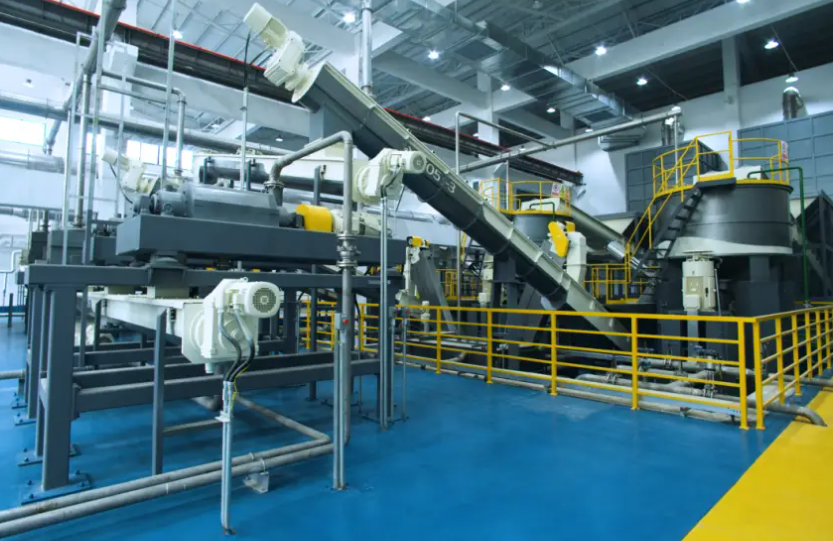
III. Plant By-product: PFAD (Palm Fatty Acid Distillate) – A key palm waste oil derivative
Distillate from physical refining deodorization towers; FFA content can reach 80–92%.
- Uses: Feedstock for pre-esterification to produce biodiesel; feed-grade fatty acids; chemical soap bases; also a key feedstock for SAF.
- Cannot be directly hydrogenated; requires pre-treatment to remove gums and metals.
IV. Key Risk Points
1. High Free Fatty Acid (FFA) content: Corrodes pipelines and equipment; causes significant oil loss due to saponification in alkali-based processes; increases hydrogen consumption in hydrogenation processes.
2. Chlorine, calcium, and magnesium: Common contaminants in waste oils and the primary killers of hydrogenation catalysts; pretreatment must prioritize their removal.
3. "Three Wastes" (Waste gas, wastewater, and solid waste) issues:
- Centrifuged soap stock and spent bleaching earth: Classified as hazardous waste; require compliant disposal and must not be discarded indiscriminately.
- Water-washing wastewater: High-COD, oil-laden wastewater; requires oil-water separation followed by anaerobic treatment.
4. Certification issues (SAF export business):
Obtaining CORSIA/ISCC certification requires a complete traceability chain to prove that the feedstock consists of waste oils rather than virgin palm oil; otherwise, carbon reduction credits cannot be obtained.