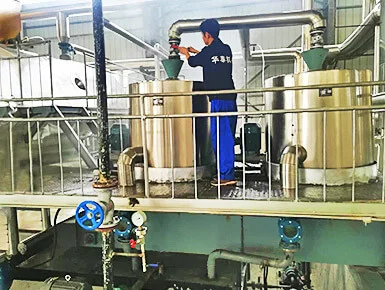
Huatai Group has provided a customized, integrated solution for a client's 500 T/D soybean cold-pressing and deep-processing project. As grain and oil processing enterprises increasingly focus on product quality and the utilization of by-products, the objectives for soybean processing projects have evolved beyond merely expanding production capacity. For quality-oriented projects, factors such as raw material cleanliness, temperature control during the pressing process, and subsequent material handling methods must be systematically considered during the project design phase.
Process
This project centers on processes including soybean polishing and dedusting, low-temperature pressing, and hydration-based drying. While meeting the 500 T/D processing capacity requirement, the design also prioritizes the sensory profile of the soybean oil, the color and purity of the soybean protein, and the overall stability of the production line. The project’s defining characteristic is the integration of specific product quality goals directly into the production line’s process design. The client’s focus extends beyond basic oil yield to include the flavor profile of the soybean oil, as well as the enhancement of soybean protein color and the consistent improvement of its purity. Consequently, rather than relying on a standard, off-the-shelf combination of equipment, Huatai Group developed a synergistic design for the pre-treatment, pressing, and post-treatment stages, tailored to the project’s specific capacity, raw material characteristics, and deep-processing requirements.
Process Flow
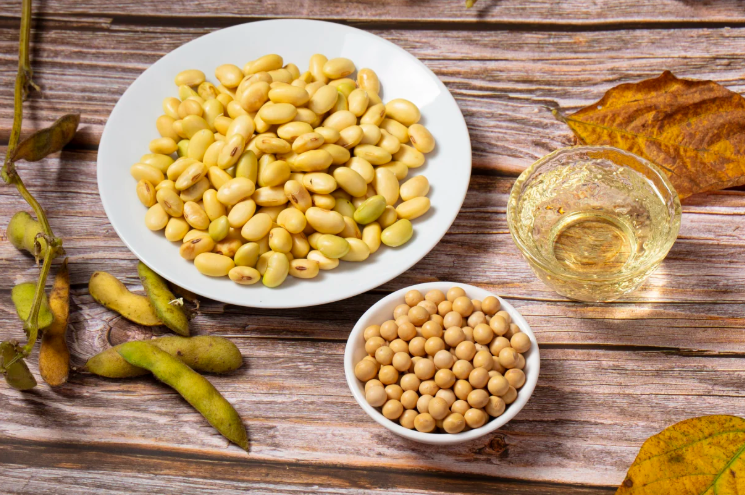
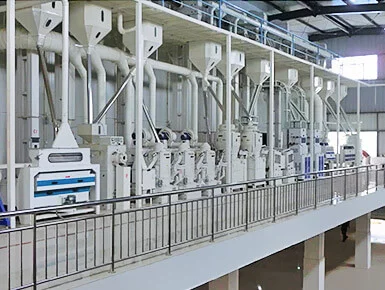
The overall solution follows a core process flow: soybean dedusting → low-temperature pressing → hydration and drying. By coordinating these various stages, the system ensures that production capacity targets are met while simultaneously controlling the quality of both the oil and the by-products. The soybean polishing and dedusting stage establishes a stable foundation for subsequent processing. Before the soybeans enter the main processing line, their cleanliness must be addressed. This project incorporates a polishing and dedusting step, which removes dust and light impurities from the surface of the soybeans, creating more consistent raw material conditions for the subsequent low-temperature pressing and deep-processing phases. This stage is not merely an additional cleaning step; rather, it serves the broader objective of comprehensive quality control throughout the entire production process. In terms of the project design, the polishing and dedusting process serves several key functions: removing dust and light impurities adhering to the soybean surface; reducing the likelihood of impurities entering downstream equipment; minimizing the negative impact of impurities on the flavor of the oil and the color of the protein; and ensuring a more uniform feed for the subsequent low-temperature pressing stage. This represents a significant distinction between this project and conventional soybean processing workflows. Low-temperature pressing emphasizes a gentle processing approach; once the initial preparation is complete, the material moves into the low-temperature pressing phase.
Huatai Group has designated low-temperature pressing as a core process for this 500 T/D soybean cold-pressing and deep-processing project. Unlike approaches that prioritize high-intensity oil extraction, this project places greater emphasis on controlling temperature increases during processing and ensuring high oil quality. Specifically, the low-temperature pressing stage focuses on: managing temperature fluctuations during the pressing process; mitigating the adverse effects of high-heat processing on the flavor of the soybean oil; preserving the natural characteristics of the oil; and maintaining the integrity of the material for the subsequent utilization of protein by-products.
Deep Processing
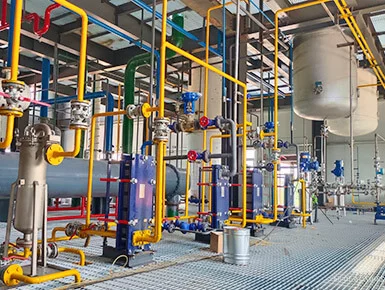
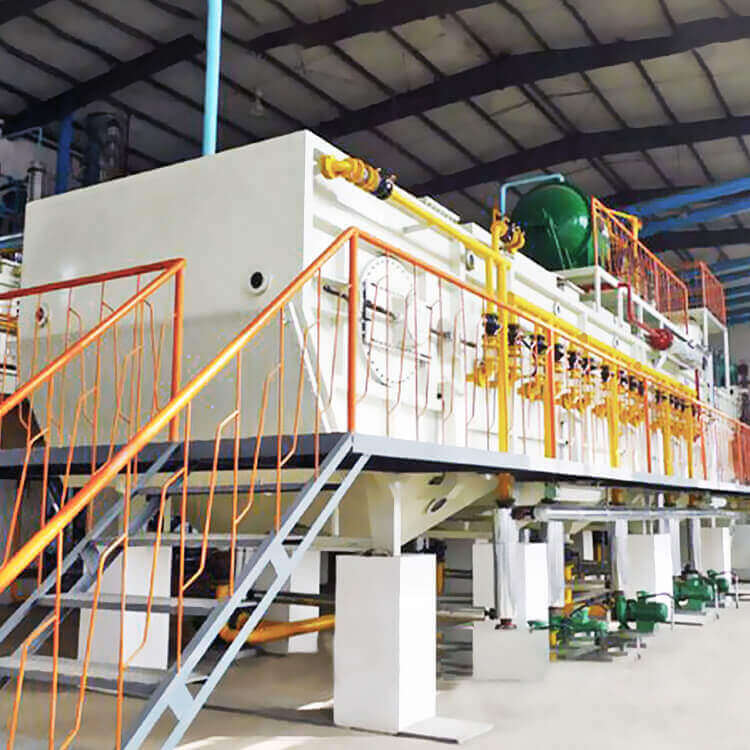
Consequently, the process design does not merely chase specific equipment parameters; rather, it takes a holistic view centered on the quality of both the soybean oil and the protein by-products. Hydration and drying processes also account for the quality of protein by-products. In this project, hydration and drying are critical components of the post-processing stage, optimized specifically to meet requirements for the color and purity of the soybean protein. This stage allows for further adjustment of the material's state, creating favorable conditions for subsequent use or deep processing. From a design perspective, the soybean oil and the protein by-products are not treated as independent objectives, but are instead integrated into the overall production line design. This shifts the project's focus from simple oil extraction toward a model centered on high quality and deep processing.
Huatai Group has undertaken projects in numerous countries—including Nigeria, Bangladesh, Ethiopia, Pakistan, Zambia, Egypt, Ghana, Malawi, Zimbabwe, South Africa, Senegal, Mozambique, Bolivia, Iran, and Russia—covering areas such as soybean crushing, refining, protein production, and animal feed processing.