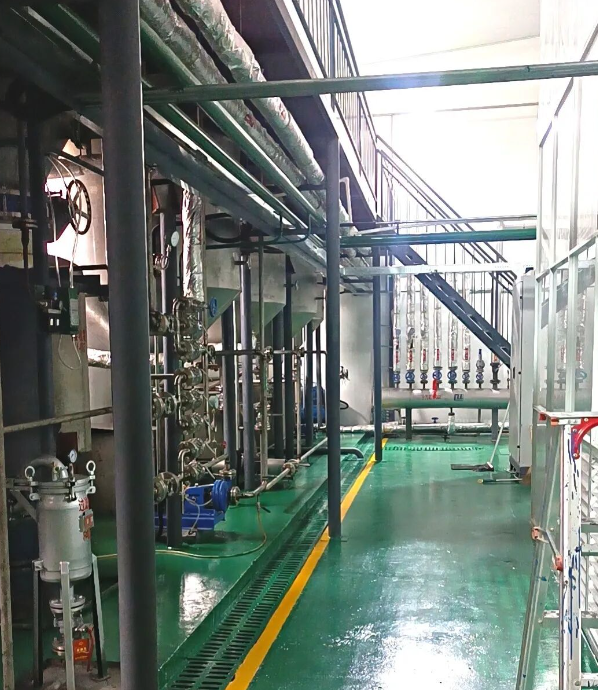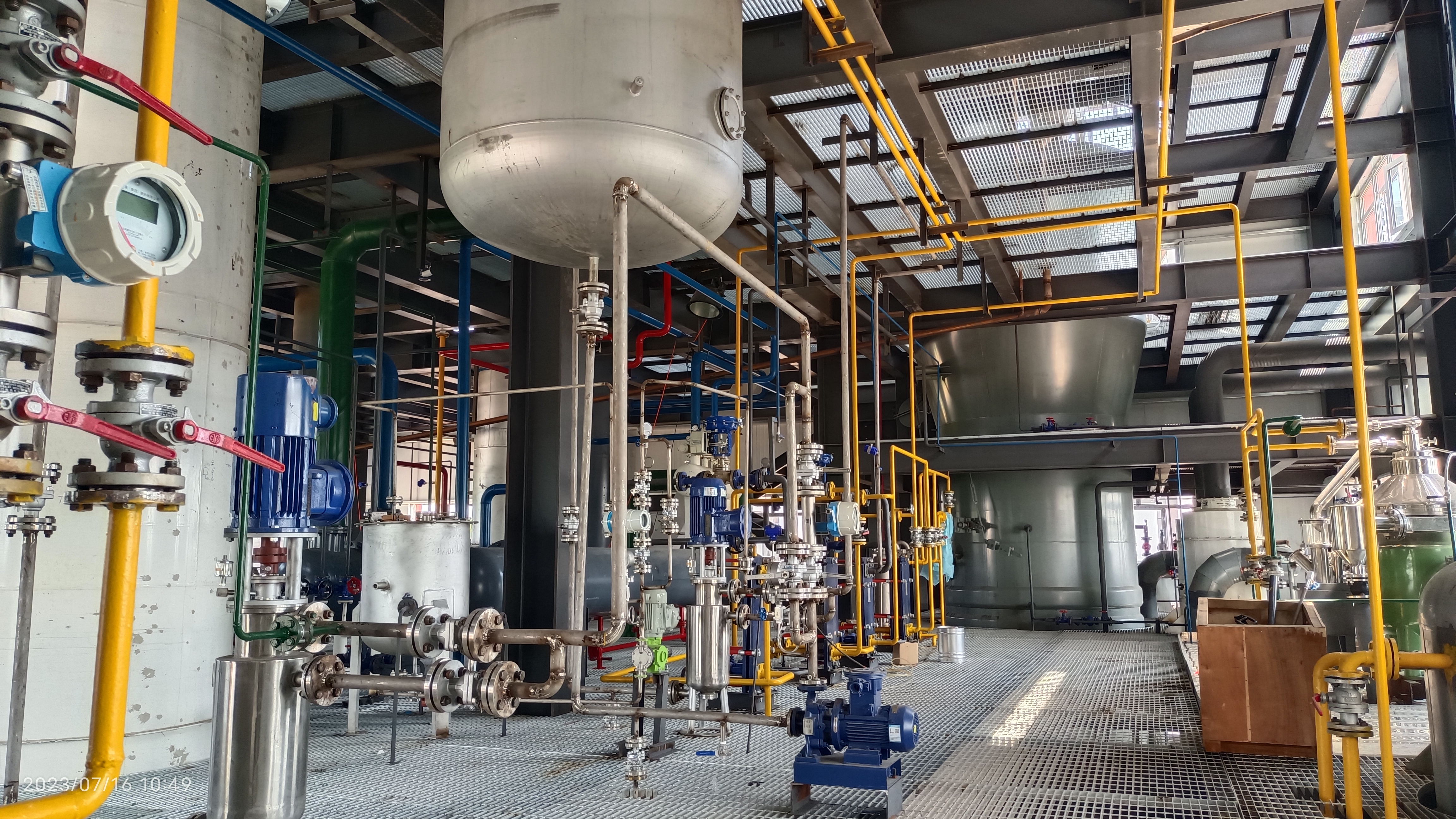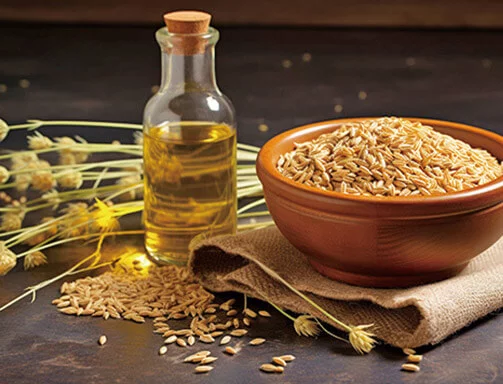
The fundamental difference between cold-pressing and hot-pressing lies in whether the flaxseeds undergo high-temperature treatment prior to the extraction process. This distinction results in a significant difference in oil yield between the two methods, as detailed below.
Hot-pressing is a traditional method of oil extraction. It begins by conveying flaxseeds into a roasting pan, where high-temperature roasting or steaming alters the seeds' internal structure. The treated seeds are then fed into an oil press for extraction. Hot-pressing offers several advantages, most notably a high oil yield. Additionally, the resulting oil possesses a rich aroma, catering to consumers who prioritize flavor.
In contrast, cold-pressing is conducted at relatively low temperatures—typically below 60°C—using physical pressure to extract the oil. This method avoids protein denaturation caused by high heat and preserves the oil's bioactive components. Consequently, the flaxseeds retain their various nutrients, yielding a high-quality oil with exceptional nutritional value. However, cold-pressing has a distinct drawback: the oil yield is far lower than that of hot-pressing—often less than half—which directly contributes to the higher market price of cold-pressed flaxseed oil.
Compared to traditional hot-pressing, low-temperature cold-pressing relies on slow mechanical grinding and uses no chemical solvents throughout the process. For instance, hot-pressing one tonne of raw flaxseeds yields approximately 380 kilograms of oil, whereas cold-pressing yields 330 kilograms. While the total yield is lower, the retention rate of beneficial compounds—such as polyphenols and sterols—is significantly higher. Cold Pressing: The Best Method for Preserving Nutritional Value
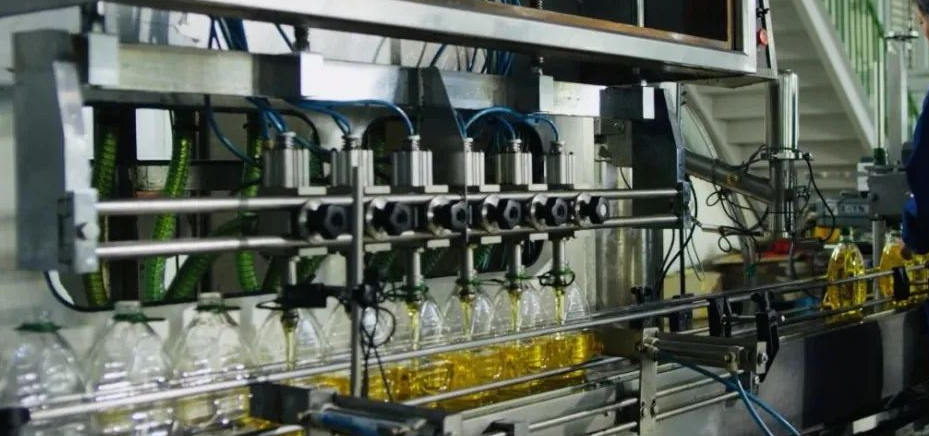
Cold pressing typically maintains material temperatures below 60°C, offering the following characteristics
Maximizes retention of alpha-linolenic acid (ALA), polyphenols, and natural antioxidants
Produces oil with a milder flavor and lighter color
Ideal for premium health oils and high-end e-commerce or export markets
Typical oil yield: 22%–28%
Hot Pressing: Uses elevated temperatures to facilitate oil release:
Common temperatures: 120–130°C
Yields an oil with a rich, nutty aroma
Higher oil yield; suitable for mass-market household and foodservice applications
Typical oil yield: 32%–38% (varies based on raw material oil content)
Key Factors Affecting Flaxseed Oil Yield and Quality
Raw material oil content (can vary by 8%–12% depending on the production region)
Moisture content (cold pressing is particularly sensitive to this)
Steaming/roasting temperature and uniformity
Press equipment parameters (screw speed, pressure profile)
Refining process stability
Creating an Efficient, Stable, and Scalable Flaxseed Oil Production Line for You

We provide
Pre-treatment equipment
Cold/hot pressing equipment
Solvent extraction systems
Full-process refining equipment
Intelligent automated production controls
Process design, plant layout, installation, commissioning, and training
Whether you are targeting the premium
flaxseed cold-pressed nutritional oil market or establishing a large-scale industrial production line, we offer professional, customized solutions.