.jpg)
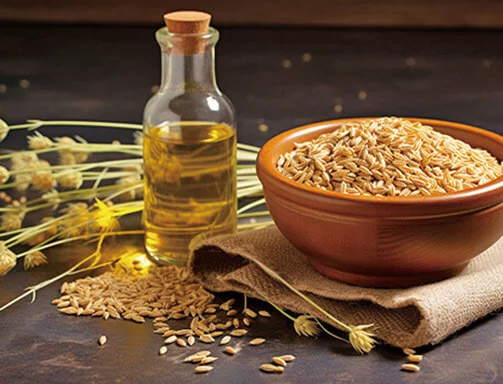
Cottonseed is a representative oil-bearing material in the edible oil processing industry. Unlike conventional oilseeds, cottonseed contains linters and hulls; consequently, its processing requires a systematic approach that integrates raw material cleaning and oil extraction with subsequent refining stages. Therefore, the stable operation of a
cottonseed oil production line does not depend on any single piece of equipment, but rather on the seamless coordination between pretreatment, oil extraction, refining, and automated control systems.
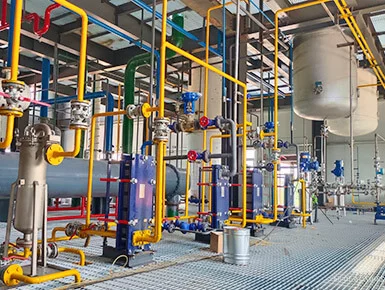
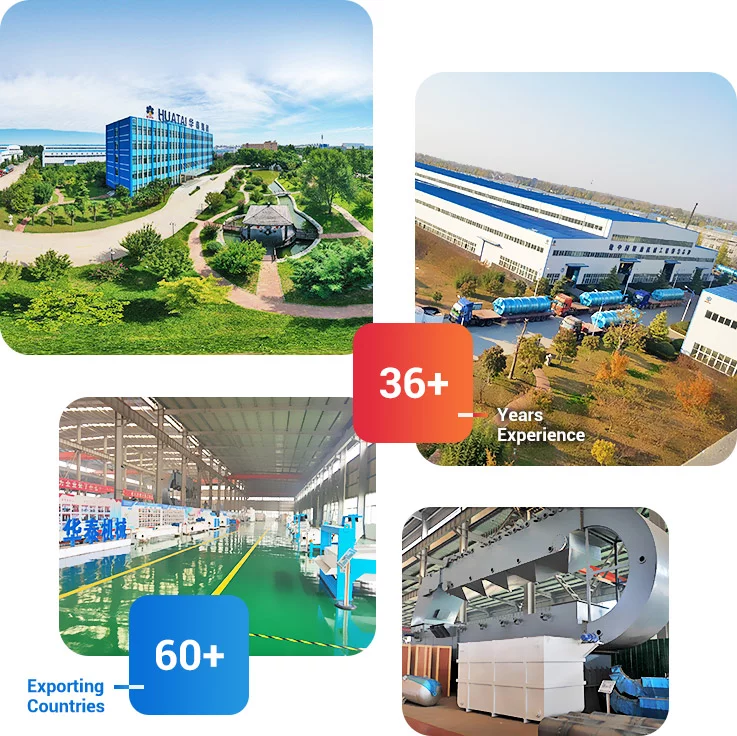
Huatai Group provides comprehensive EPC (Engineering, Procurement, and Construction) solutions for cottonseed oil processing plants, with capacities ranging from 30 to 3000 T/D. These solutions encompass linter removal, dehulling, pre-pressing and solvent extraction, refining (including gossypol removal), automated control, as well as installation, commissioning, and operational support.
Raw material pretreatment is the first critical step in cottonseed oil processing. Once the cottonseed enters the production line, it must undergo thorough cleaning and pretreatment. In a complete EPC solution, this front-end process includes cleaning, delinting, dehulling, flaking, and conditioning (steaming and roasting). Cleaning removes impurities; delinting recovers cotton linters and minimizes the interference of fibers in downstream processes; and dehulling improves the quality of the flakes, creating optimal conditions for subsequent pressing or solvent extraction. Pretreatment is not an isolated stage; it serves as a vital foundation that directly influences the performance of the oil extraction system.
.jpg)
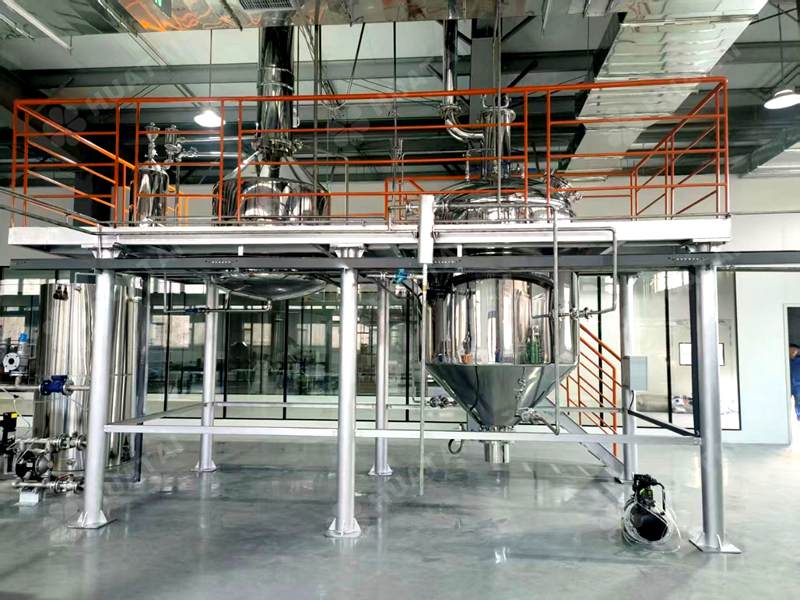
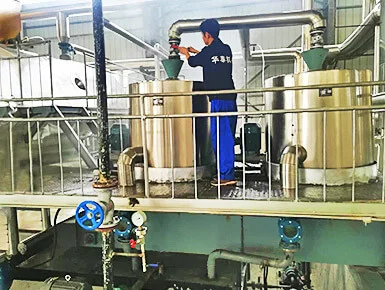
The choice of oil extraction method depends on the scale of the project. For small to medium-scale operations, a direct pressing process—which is relatively straightforward—may be suitable. For larger-scale facilities, a "pre-pressing plus solvent extraction" approach is typically employed, utilizing the synergy between different extraction stages to maximize oil yield. Consequently, equipment selection should not be made in isolation; rather, it must be based on the defined production scale, product positioning, and chosen process route.
Refining is essential for controlling the quality of cottonseed oil. Much like the processing of other edible vegetable oils, cottonseed oil requires a refining process to improve the quality of the crude oil. At the same time, the processing of cottonseed oil must account for the specific characteristics of cottonseed, with systematic consideration given to the removal of gossypol. The refining process for cottonseed oil encompasses several modules—degumming, deacidification, bleaching, deodorization, dewaxing, and gossypol removal—with the specific configuration determined by the target product and project requirements. From an engineering perspective, refining equipment is not merely a collection of additional processing stages; rather, it must be carefully aligned with the capacity of the upstream crude oil processing operations, the desired grade of the final product, and the overall production capacity of the entire facility.
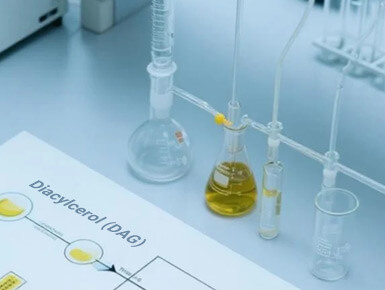
The utilization of by-products is also an integral part of overall plant planning. Beyond cottonseed oil, the processing of cottonseed yields various by-products, including cotton linters, cotton hulls, and cottonseed meal (or cake). Comprehensive plant planning should incorporate the recovery of cotton linters, the separation and utilization of cotton hulls, and the downstream application of cottonseed meal or cake. Furthermore, provisions should be made for the recovery of industrial by-products such as gossypol and fatty acids. This means that the design of a
cottonseed oil processing plant cannot focus solely on the objective of "oil extraction"; instead, it requires a holistic plan that addresses the separation, transport, and subsequent utilization of all materials, starting from the moment the raw feedstock enters the facility.
.jpg)
The utilization of by-products is also an integral part of overall plant planning. Beyond cottonseed oil, the processing of cottonseed yields various by-products, including cotton linters, cotton hulls, and cottonseed meal (or cake). The proposed plan incorporates the recovery of cotton linters, the separation and utilization of cotton hulls, and the downstream application of cottonseed meal or cake, while also providing interfaces for the recovery of industrial by-products such as gossypol and fatty acids. This means that the design of a cottonseed oil processing plant cannot focus solely on the objective of "oil extraction"; instead, it requires a holistic plan that addresses the separation, transport, and subsequent utilization of all materials, starting from the moment the raw feedstock enters the facility.